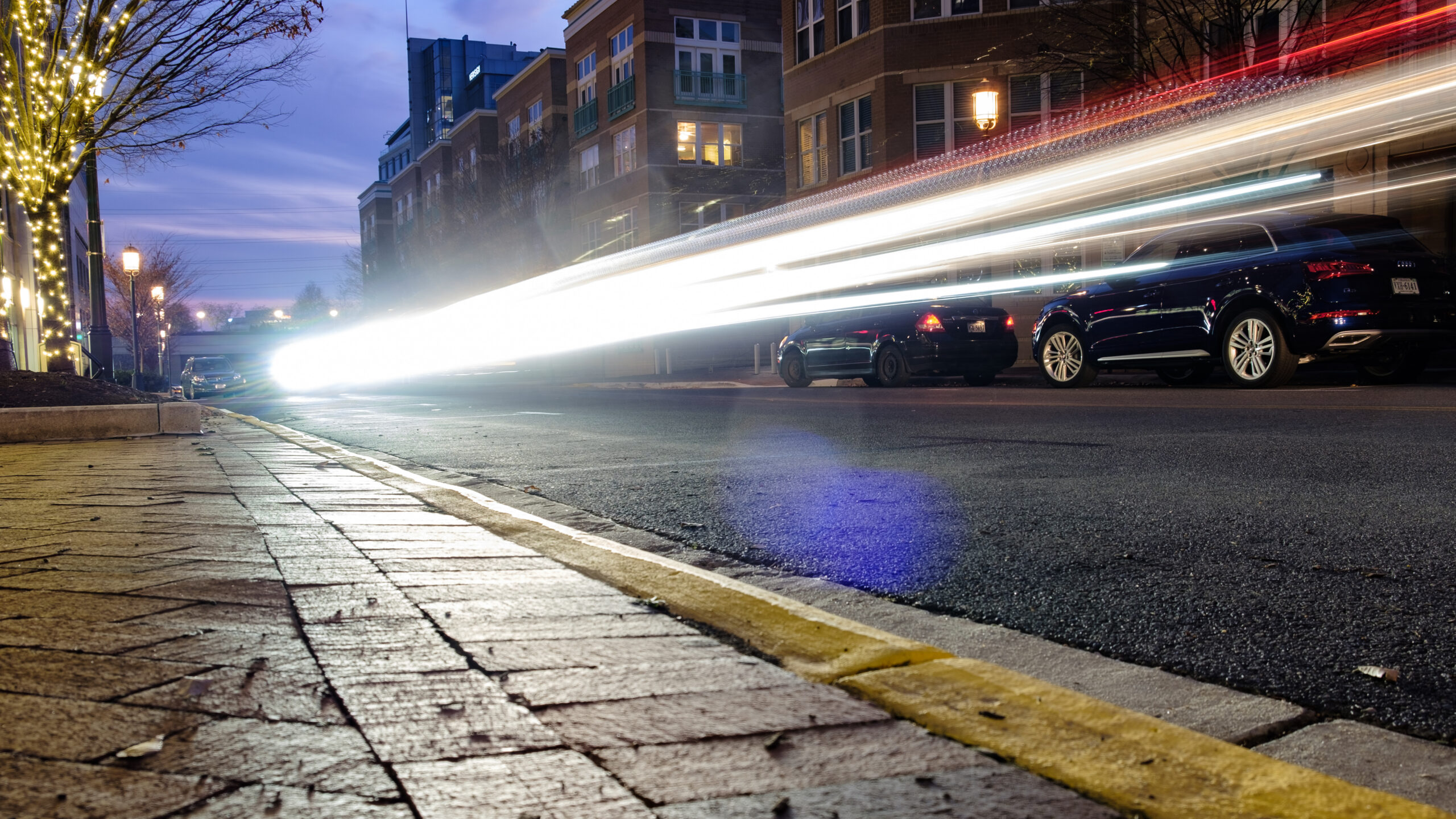

Automotive lights are better than they have ever been, but there is a trade-off. Piloting sensor-laden press cars down dark highways often results in oncoming high beams arriving like targeted retinal strikes. This is an involuntary reminder that modern automotive lighting has entered its own lumen arms race.
Before modern vehicles, horse-drawn carriages used oil lanterns. The late 1880s brought motorcars using railway-style oil lamps that emitted candlelight and were prone to spilling. Acetylene lamps arrived in the early 1900s, carrying the risk of localized explosions from flammable gas. These early lamps struggled to illuminate meaningful distances, leaving hazards outside detection ranges while pedestrians faced rapidly accelerating, quiet machines.
Regulations emerged to control illumination
Headlight regulation emerged slowly from a mismatch between early motor vehicles and roads designed for horses. Late 19th and early 20th century laws in the UK, US cities, and Europe treated cars as locomotives on highways, requiring only basic lamps. As speeds increased, complaints from horse riders, pedestrians, and drivers pushed regulations toward controlled illumination and beam shaping.
Headlights have become brighter over the past two decades due to the automotive industry abandoning halogens for LEDs, HID projectors, and adaptive lighting. Older halogen setups produced soft, warm beams that failed gracefully. Modern LEDs consume less power, last longer, and emit vastly more light from smaller packages, allowing thinner headlights and cooler color temperatures resembling daylight white.
The downside is that blue-white light produces more glare, especially in rain or on poorly marked roads. Combined with the SUV and pickup truck boom placing headlights higher off the ground, even correctly aimed low beams can shine directly into smaller vehicles. According to 2019 to 2023 FARS data, 46,154 US road fatalities occurred at night in non-lit areas, with 446 caused by glare impeding vision.
 Read nextAI Voice Startup ElevenLabs Reaches $22B Valuation
Better headlights reduce nighttime crashes
An IIHS study found vehicles with good-rated headlights were involved in 19 percent fewer nighttime crashes and 23 percent fewer pedestrian crashes. US federal headlight brightness standards remained unchanged since 1997 until adaptive driving beams were allowed in 2022. By model year 2025, good-rated systems rose to about 51 percent.
Skoda engineers explain that light intensity is the main cause of glare at distance. While halogen protected surrounding plastic parts, LEDs require thermal management for performance and cost. Adaptive systems cause glare when camera systems misidentify objects, and computing latency plays a role. Taller vehicles do not inherently pose a higher distant glare risk, though engineers adjust initial inclination to 1.1 or 1.2 percent instead of the standard 1.0 percent.
Modern LED clusters require entire unit replacements during malfunctions due to tight tolerances. As headlights continue evolving with cameras and software, object recognition remains imperfect and beam adjustments are not instantaneous. On a good day, modern headlights reduce cognitive load, though they still rely on computer systems learning to see in the dark.