
Ebola Spreads in DRC
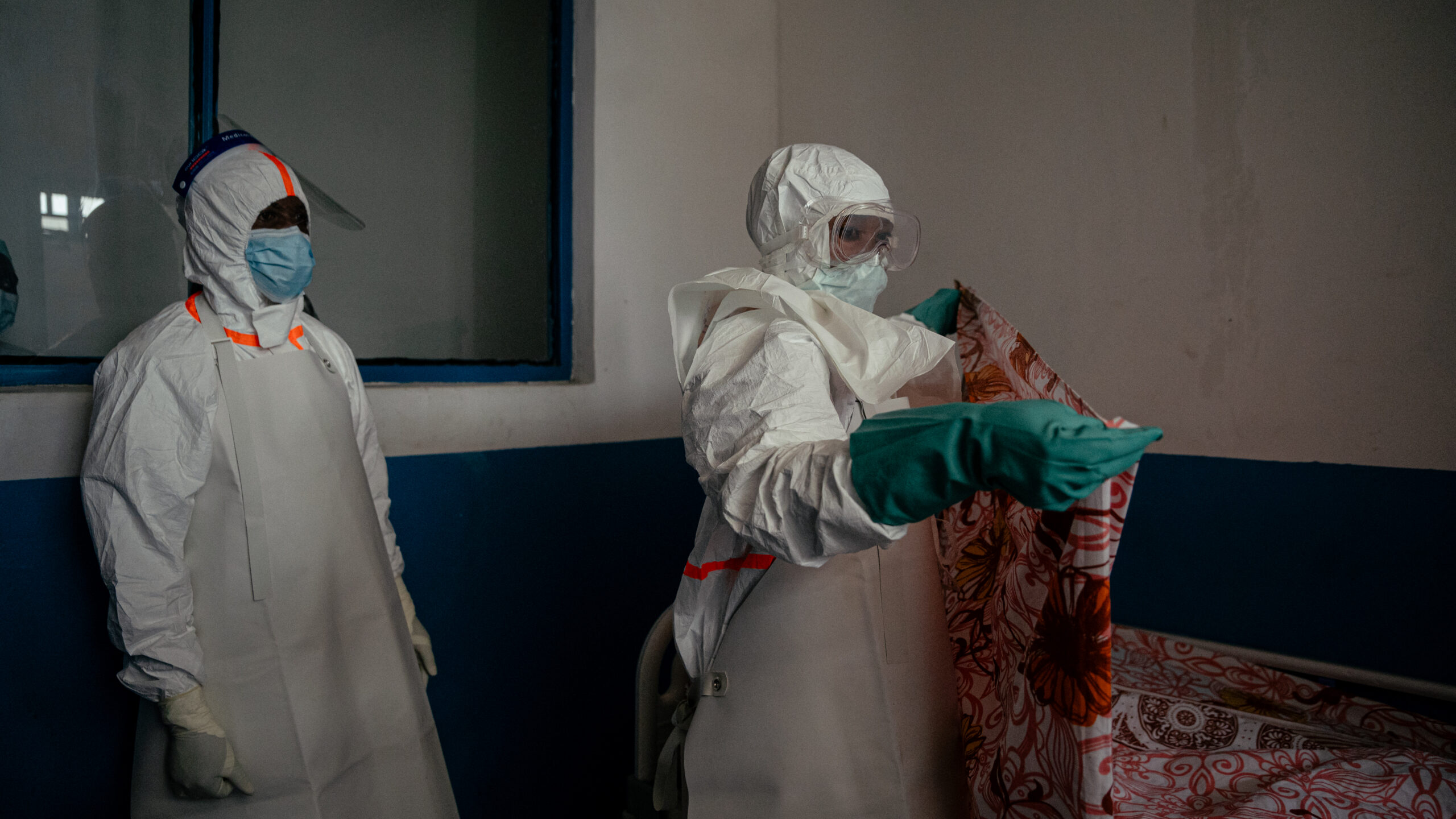
The Ebola outbreak in the Democratic Republic of the Congo is getting worse. The World Health Organization (WHO) reported nearly 750 cases and 177 deaths. About 1,400 contacts are being traced. The WHO announced this during a press briefing Friday.
This outbreak is now the third largest ever recorded. It was only reported on May 15. WHO Director-General Tedros Adhanom Ghebreyesus said it's “spreading rapidly.” The WHO increased the risk level from “high” to “very high” nationally. The risk remains “high” regionally and “low” globally, according to Tedros.
WHO officials admitted they were slow to detect and respond. This allowed the outbreak to grow. They are now rushing to catch up. Dr. Anne Ancia, a WHO representative in the DRC, said the virus was “already rampant and silently disseminating for a few weeks already” when officials arrived.
The earliest suspected case was a health worker who showed symptoms on April 24. This was in Bunia, the capital of Ituri. The WHO learned about a possible outbreak on May 5. There were reports of deadly, unidentified infections that killed four health workers. By the time the WHO team arrived, there were already 80 cases.
“Now we are sprinting behind [the virus] so that we can really try to control this outbreak, and because it is still transmitting for the time being, yes, the number [of cases] will keep rising for some time until we are really able to put all the response operation in place,” Dr. Ancia said.
 Read nextAI Voice Startup ElevenLabs Reaches $22B Valuation
Challenges to Containment
Several problems make the work harder. This outbreak is caused by the Bundibugyo virus. There are no established vaccines or treatments for it. The main tools to stop the spread are active case finding, isolation, and contact tracing.
The virus is spreading in areas with armed conflict and high population movement. The health systems are weak. Millions of people face hunger and need aid.
US Role Criticized
Public health experts in the US are criticizing the Trump administration's role. The US used to be a global leader in Ebola responses. But the Trump administration has cut funding to USAID and the CDC. Many public health leadership positions are vacant. The US also withdrew from the WHO. This has impacted the US ability to respond.