Apple finally released its updated Siri AI in the consumer beta build of iOS 27 in July following multiple rounds of delays. The upgraded assistant now performs as Apple promised by understanding personal context, accessing broad world knowledge, and surfacing relevant information stored directly on an iPhone. Despite delivering a functional and impressive AI helper, the launch feels somewhat anticlimactic because it arrived after the initial novelty and excitement of such technology have passed. The broader artificial intelligence race surged ahead during the years Apple spent dawdling. Modern AI tools now build software, complete multi-step tasks, reason, think, and create media. Being a standard chatbot or assistant is no longer the major breakthrough it once represented.
This launch still brings significant value and utility to Apple users. Apple delivered on its initial promises and added extra features. Users can now engage in natural, back-and-forth conversations with Siri. The assistant includes settings that let people adjust the expressivity and pacing of voice responses. Users can also type their requests to the assistant or use a dedicated app for the first time while referencing past conversations. The upgraded assistant understands personal context to locate photos, emails, contacts, texts, and calendar appointments even when users forget where those items are stored. For example, a user can ask Siri to pull up the last saved receipt without mentioning storage locations or receipt details.
Siri extracts information from saved images
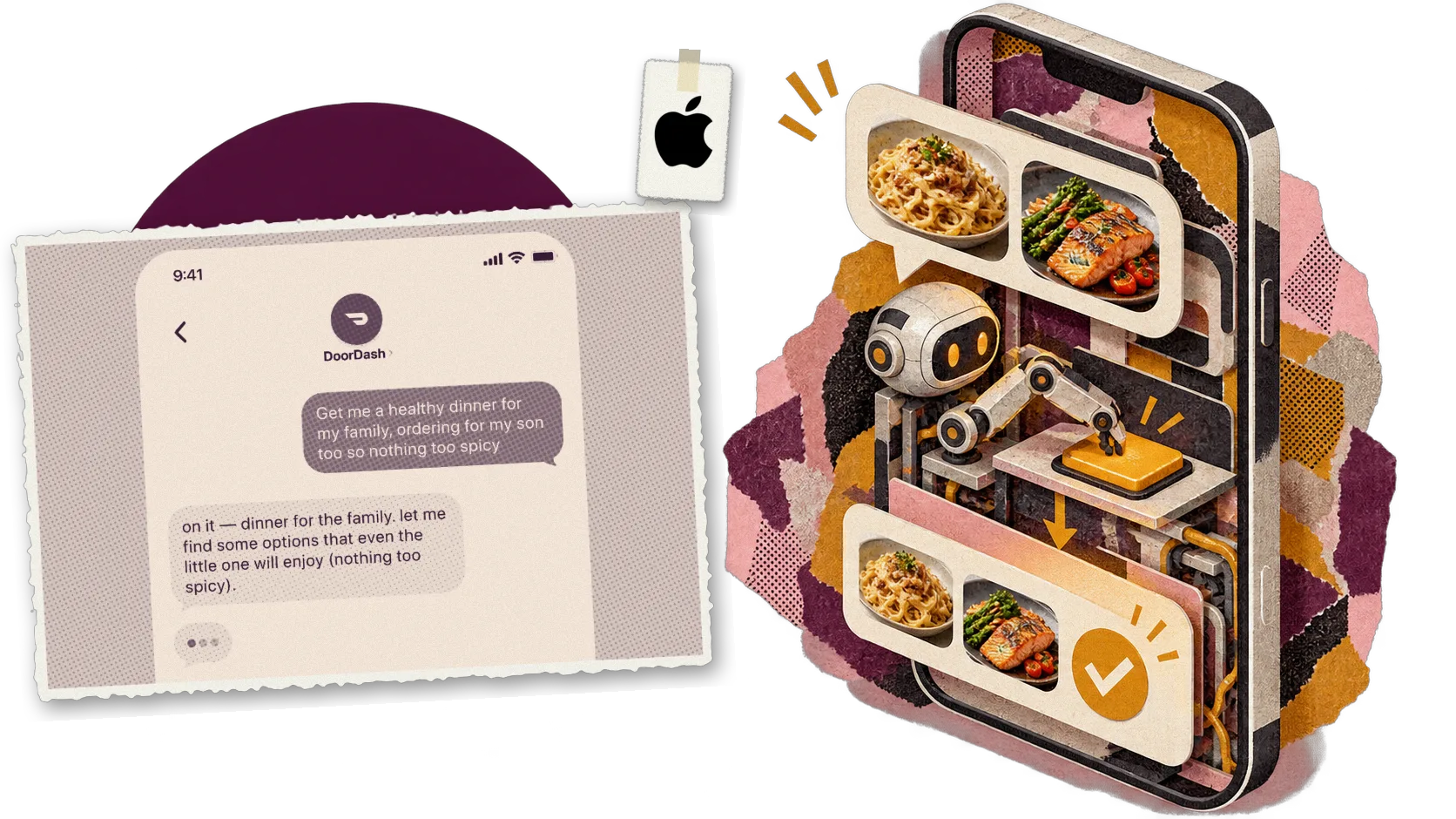
Siri can also extract information from saved images such as a driver license number from a photo or a QR code from a screenshot. Users can launch websites and operate apps through voice commands to get directions, play music, edit photos, draft emails, and play audiobooks. Siri now reliably plays requested songs, podcasts, and audiobooks on preferred apps without the stumbles of past versions. The assistant helps brainstorm ideas, explores recipes using random refrigerator ingredients, and answers location-based questions about event schedules and band tours. Users can also utilize Siri inside the Camera viewfinder to learn about the physical world or to help split restaurant bills.
These comprehensive improvements stem from a partnership between Apple and Google that utilizes Google Gemini AI models. Apple used this technology to train and refine its own proprietary Apple Foundation Models. The resulting systems run smoothly on Apple Silicon and Private Cloud Compute infrastructure. Delivering this capable version of Siri feels less like a major industry breakthrough and more like fixing a longstanding software bug that kept the assistant broken for years. This is simply how Siri was meant to function from the very beginning. The main marvel is that the tool finally performs tasks correctly after years of failing.
The software will launch publicly in September
The general public will gain official access to the new Siri when Apple launches iOS 27 in September. This public release will bring the beta features to standard devices everywhere.