Healthleap Secures $38 Million in Funding for Hospital Patient Screening AI
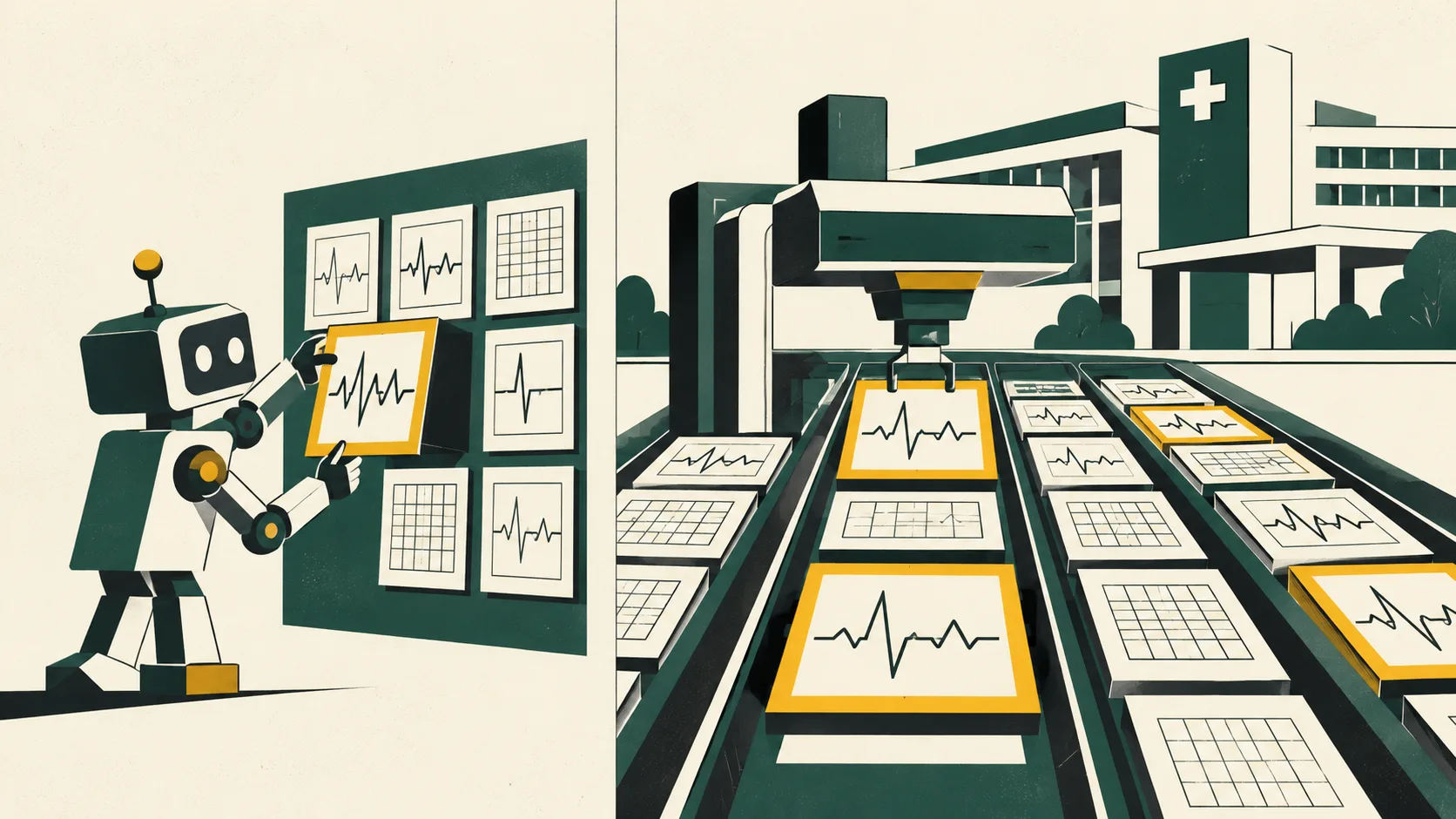
Healthleap raised $38 million in seed and Series A funding to expand its AI platform that flags hospital patients needing a closer look.
Theme
Artificial intelligence in healthcare encompasses a range of technologies designed to assist with patient screening, medical prescribing, and administrative tasks. Currently, these technologies are expanding into clinical decision making and direct patient care, though their integration also impacts administrative costs. In recent developments, the startup Healthleap secured 38 million dollars in funding to scale its artificial intelligence platform, which integrates with hospital records to flag patients who require closer medical attention. The company intends to expand its screening capabilities to cover more than 40 major health conditions. Meanwhile, in Utah, Nolla Health launched a pilot program that allows its artificial intelligence system to scan faces and issue initial acne prescriptions for adult residents with mild to moderate acne. This pilot represents a shift toward automated prescribing, with physician oversight scheduled to decrease over time. However, the financial impact of artificial intelligence in healthcare is drawing scrutiny. An analysis by the Blue Cross Blue Shield Association reveals that hospital use of artificial intelligence tools for insurance claims added 942 million dollars in healthcare spending over a two year period. This increase in spending is driven by a rise in patients documented with complex conditions, despite no corresponding change in the actual medical care delivered to those patients.
3 stories · Updated
Healthleap raised $38 million in seed and Series A funding to expand its AI platform that flags hospital patients needing a closer look.
Nolla Health launched a pilot program in Utah allowing its artificial intelligence system to scan faces and autonomously write initial prescriptions for mild-to-moderate acne.
A new analysis by the Blue Cross Blue Shield Association reveals that hospital use of artificial intelligence added $942 million in healthcare spending over two years.