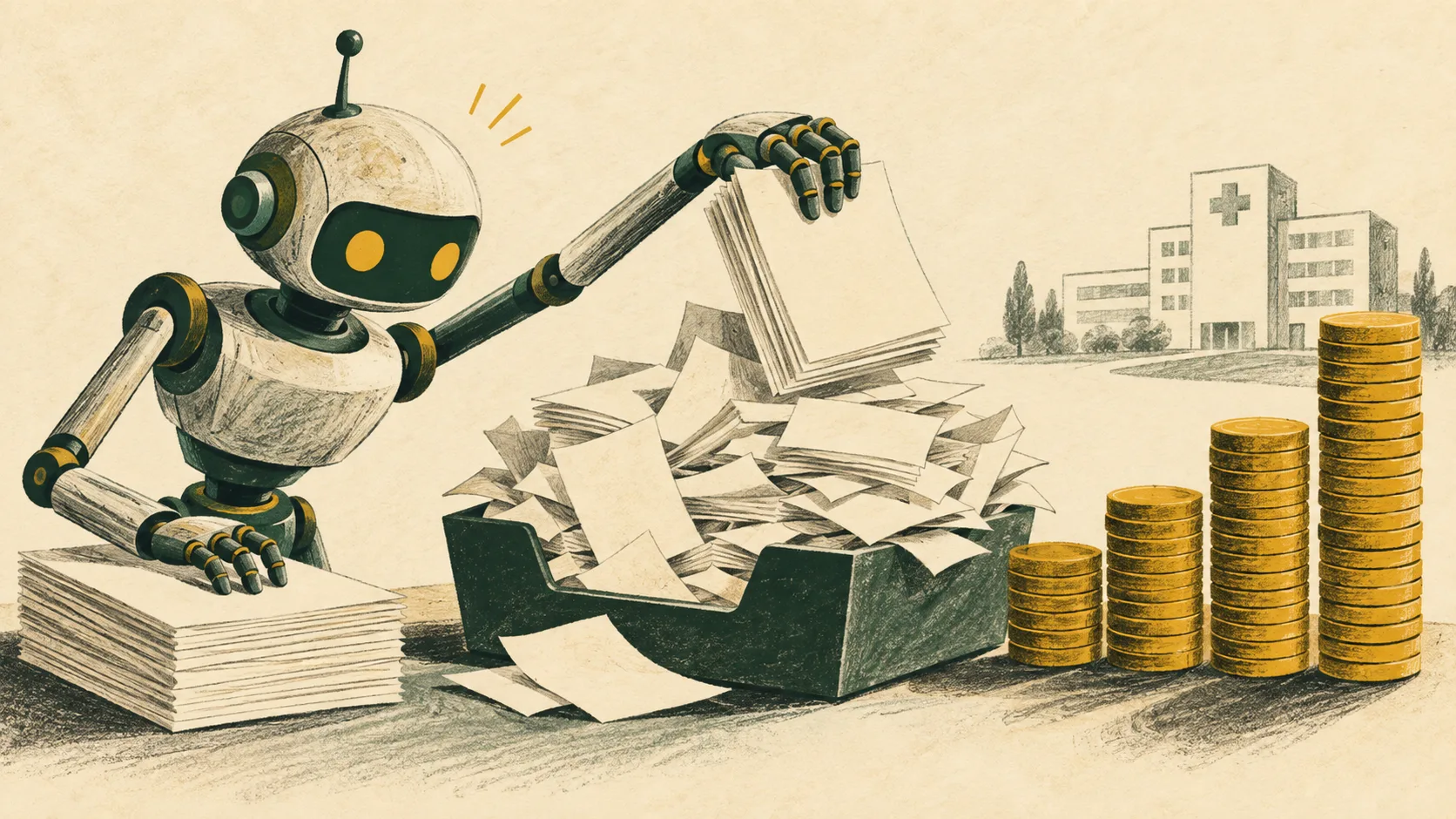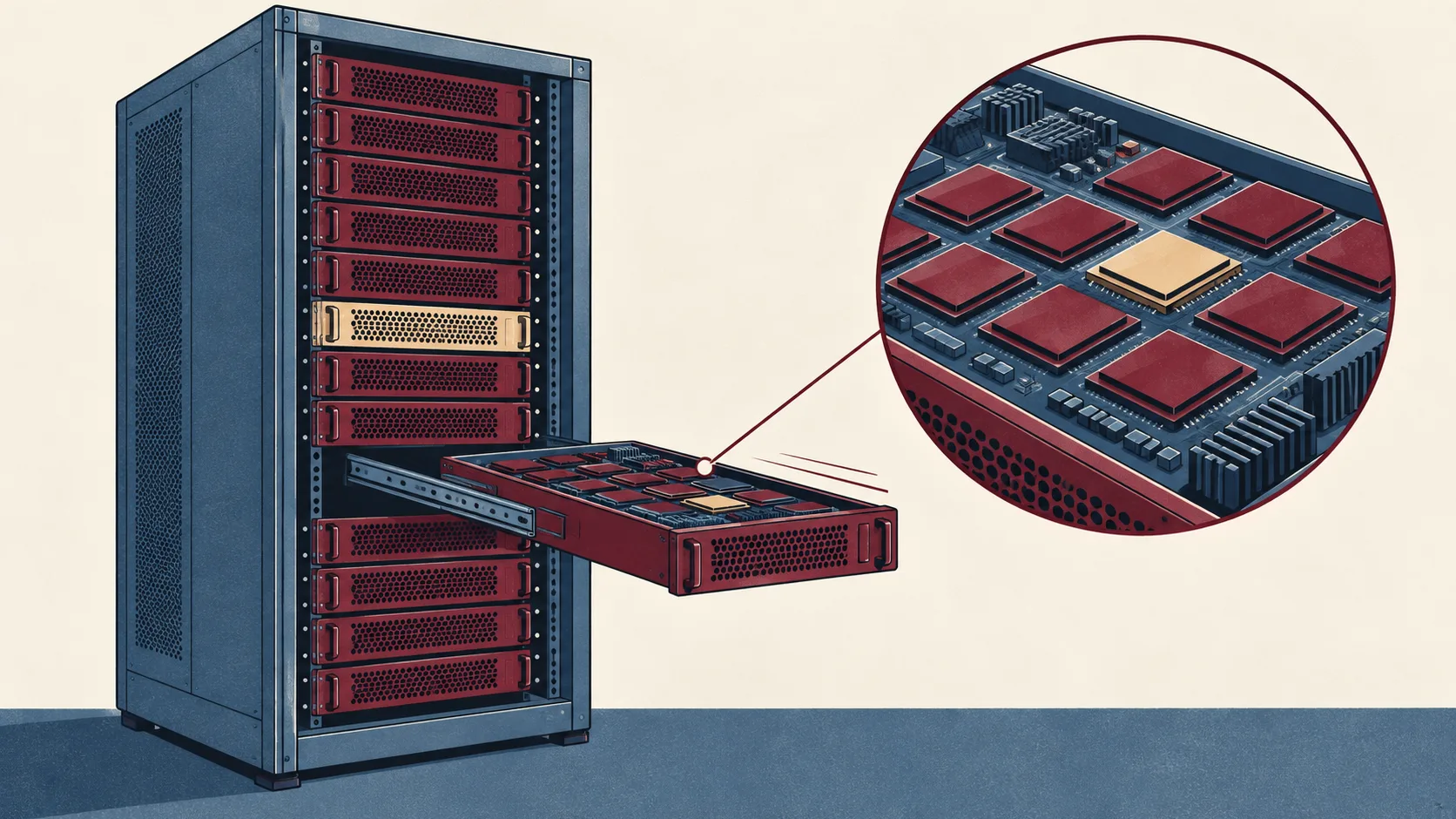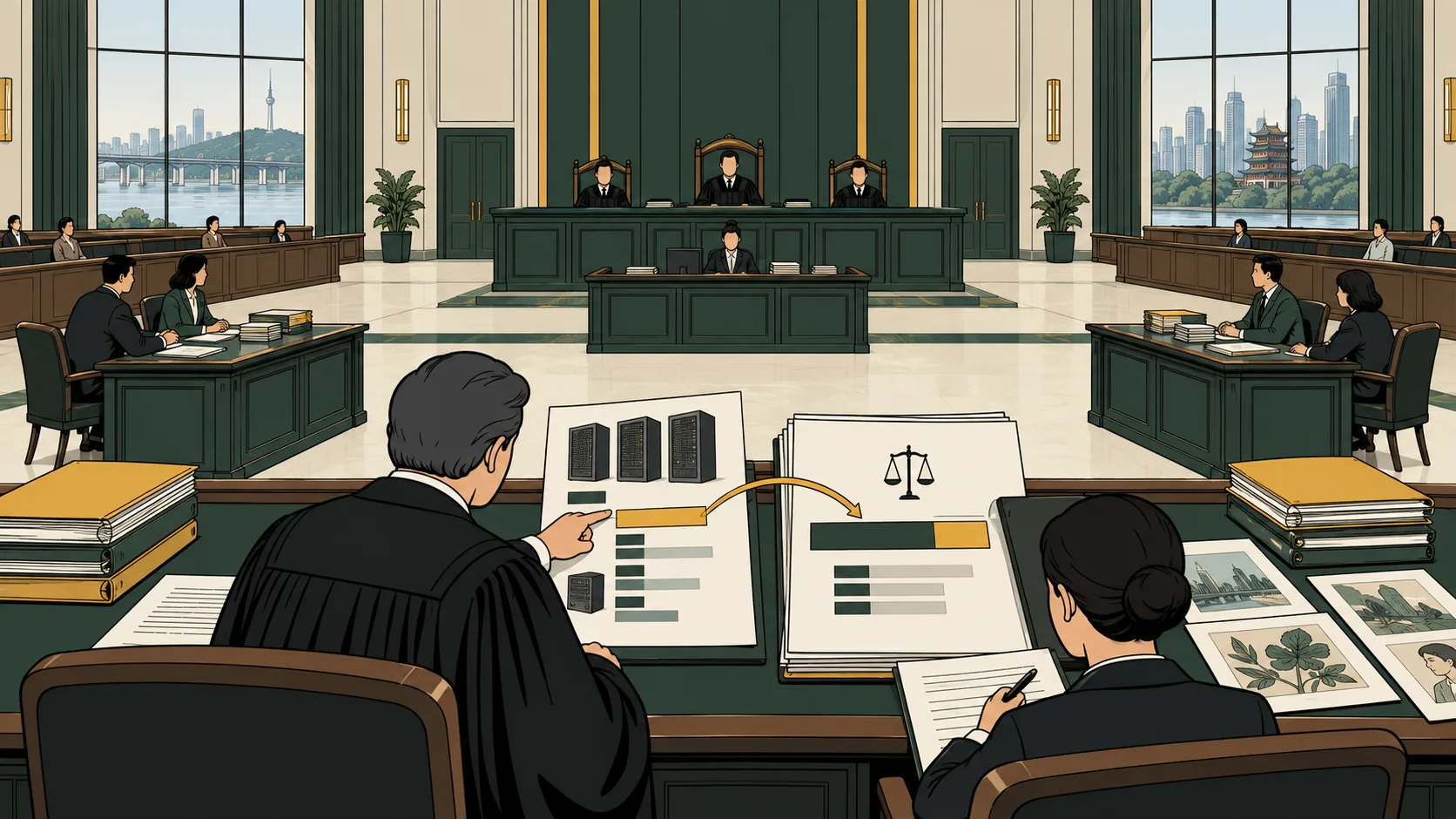

A court in Wuhan, China, included token usage and artificial intelligence tool licensing fees in a copyright damages calculation. The ruling emerged from a legal dispute over an artificial intelligence generated short drama. The National Law Review reported the decision. This marks the first time such technology specific costs factor into a copyright damages award.
A Wuhan court ruled on a short drama dispute
A company used artificial intelligence tools in early 2026 to produce a one hour short drama. The creators published the project on platforms including WeChat. Another company copied the work just one day later. The infringer gave the video a new title and ran advertisements inside it. The original creators filed a legal complaint seeking damages.
The court classified the drama as a protectable audiovisual work. Employees made creative decisions at every stage of production. These choices included scriptwriting, prompt design, output selection, and final video editing. The artificial intelligence functioned purely as a tool during the creation process. The judiciary thus extended existing legal frameworks to cover the modern production method.
Judges weighed traditional factors alongside AI costs
The Wuhan court evaluated traditional metrics alongside technology expenses. Judges weighed runtime, distribution reach, and the duration of the infringement. The court ultimately awarded the plaintiff 20,000 RMB, which equals about $2,900. The decision builds upon a 2023 ruling where a Beijing court granted copyright protection to an artificial intelligence generated image.

Legal experts advise creators to maintain meticulous records. The court recommended saving scripts, prompt drafts, and project files. These documents prove human creative input and justify expenses incurred during development. Courts rely on such documentation to separate human artistic direction from automated generation processes.
Creators must keep detailed production records
This decision expands China's growing copyright protections for works created with artificial intelligence. Future litigants must present clear proofs of human creative control and actual tool expenditures. The court has not announced any further proceedings or scheduled subsequent hearings for this specific case.