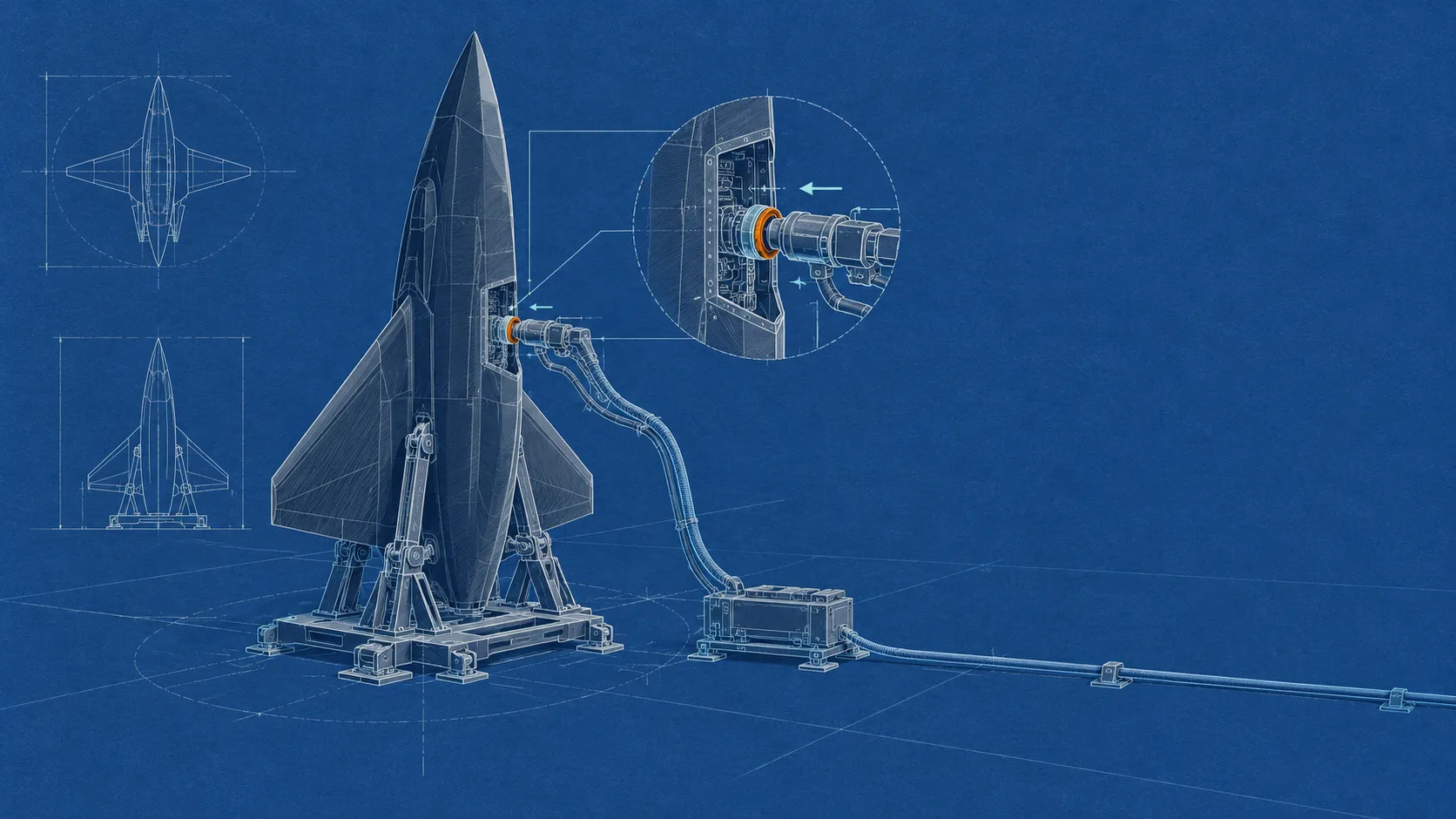

Defense firm Shield AI reports that combined US government funding and its own investment commitments have reached $400 million. The capital will advance its autonomous vertical take-off and landing fighter drone toward flight testing. The X-BAT aircraft was unveiled at an event in Washington DC last year.
The US Navy has committed an additional $150 million on top of earlier funding for the project. Shield AI is stumping up a further $150 million of its own capital. The company previously secured $50 million under the Runway Independent Maritime Expeditionary Strike program, which it had also matched.
Flight testing begins later this year
Flight testing for the X-BAT is scheduled to begin later this year. Mission capability is slated for 2028. The aircraft is intended to provide naval commanders with long-range strike assets that take off and land vertically from almost anywhere.
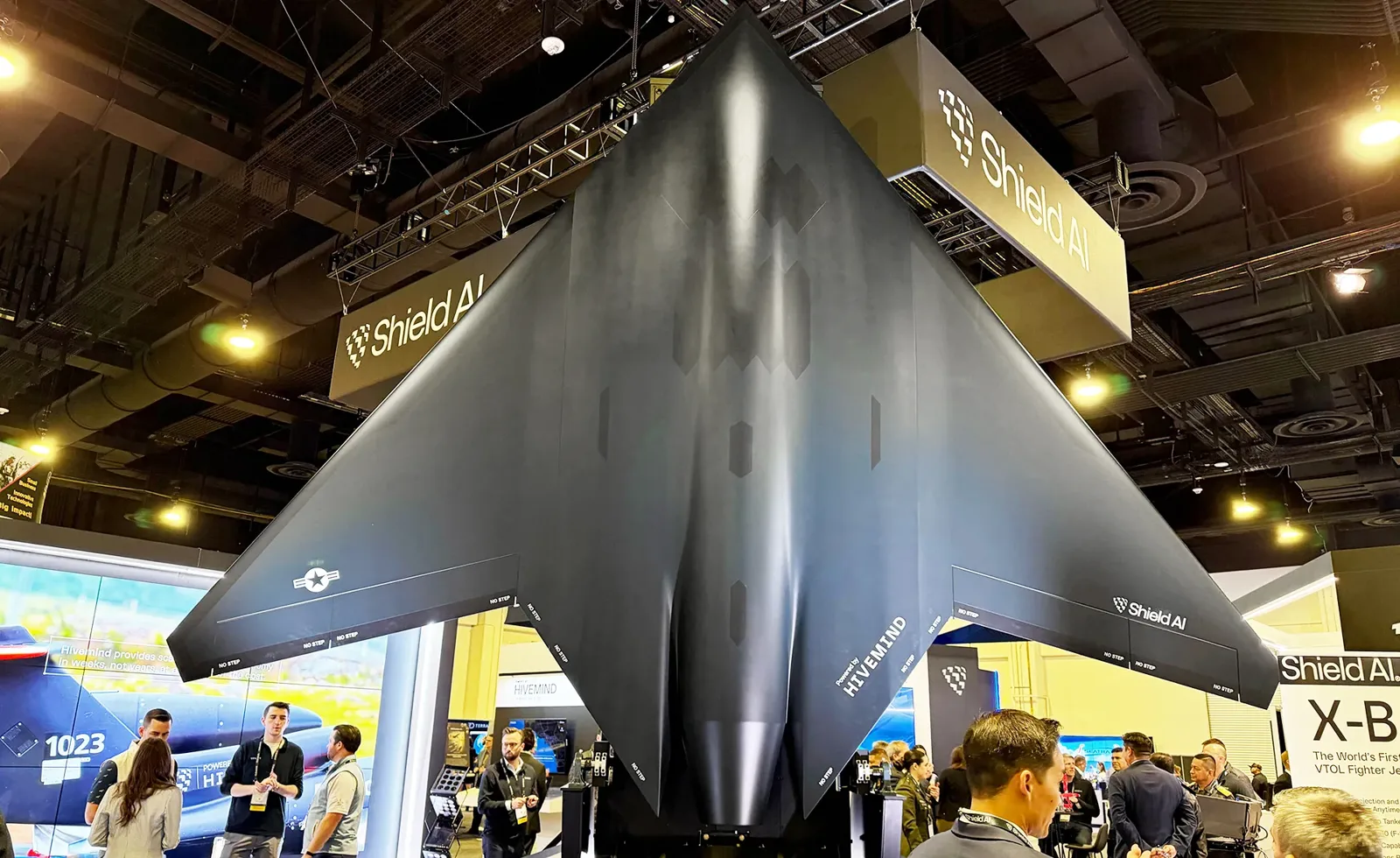
Eliminating the need for a runway means the US Navy could operate combat aircraft from more than just giant carriers like the USS Gerald R. Ford. It could also operate them from amphibious assault ships and vessels such as the Expeditionary Sea Base. The X-BAT measures 26 feet long and has a 39-foot wingspan, with Shield AI claiming a range exceeding 2,000 nautical miles and supersonic flight capability.
The aircraft operates as a tail-sitter
The aircraft operates as a tail-sitter. It takes off vertically before leveling off for normal flight and landing vertically back on its launcher. Shield AI's Hivemind autonomy software controls the vehicle. This software previously ran on a modified F-16 fighter jet that participated in dogfights against human pilots.
J.J. Yank Cummings, a former naval officer and Shield AI's head of mission solutions for the US Navy, states the aircraft is built to enhance lethality and combat power. The team has completed engine light-off and thrust-vectoring nozzle integration. They have also validated weapons bay aerodynamics in low- and high-speed wind-tunnel testing.
UK Royal Navy seeks combat drones
The UK Royal Navy is also seeking combat drones for its Queen Elizabeth-class aircraft carriers under Project VANQUISH. Britain's carriers lack catapults and arrestor gear, instead operating the vertical-landing F-35B fighter. This makes X-BAT a potential candidate, with the Royal Navy aiming to conduct demonstration flights from a carrier by the end of next year.