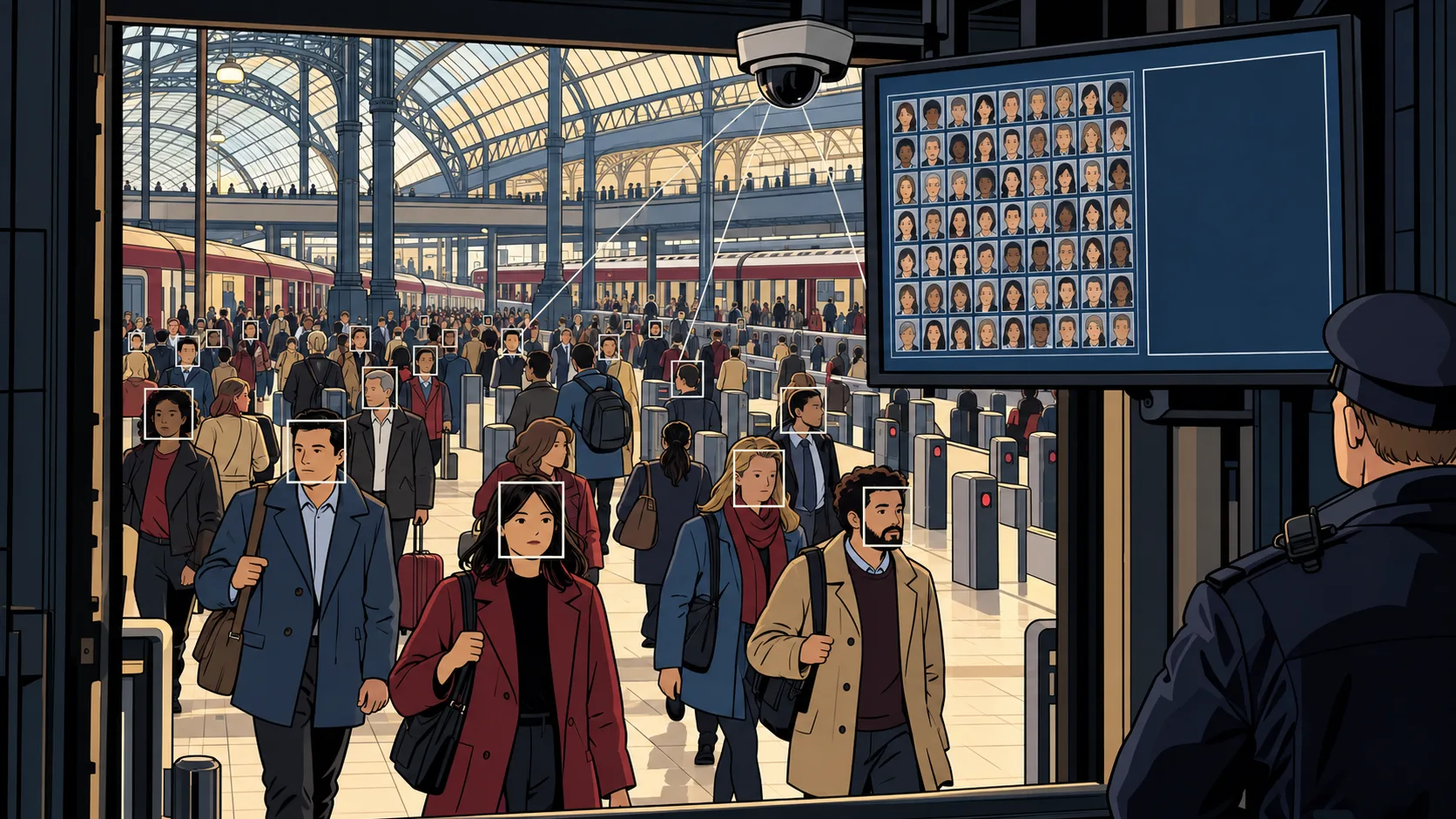

The British Transport Police spent more than £320,000 putting half a million commuters through live facial recognition cameras. The system identified precisely nobody it was looking for during the six-month trial.
Figures obtained by civil liberties group Liberty through Freedom of Information requests show the project scanned more than 500,000 faces at London railway stations. The deployment generated just one alert, which turned out to be a false positive. The technology produced no correct matches and no arrests directly resulting from a live facial recognition alert.
Deployments consumed police resources
The exercise swallowed almost 100 hours of police officers' time. Privacy campaigners at Big Brother Watch told The Register the results would be funny if the implications were not more serious.
Jasleen Chaggar, senior legal and policy officer at the campaign group, said the figures would be laughable if they did not have troubling implications for rights and freedoms. She noted that millions of Londoners use the city's stations every day and may have found themselves caught in a digital police line-up without realizing it.
Chaggar added that it is unfair to subject innocent people to intrusive identity checks during their commute. She called it insulting to waste almost 100 hours of officers' time and £320,000 of public money on meagre results, arguing that replacing officers with artificial intelligence surveillance does not improve safety.
Police extended the trial
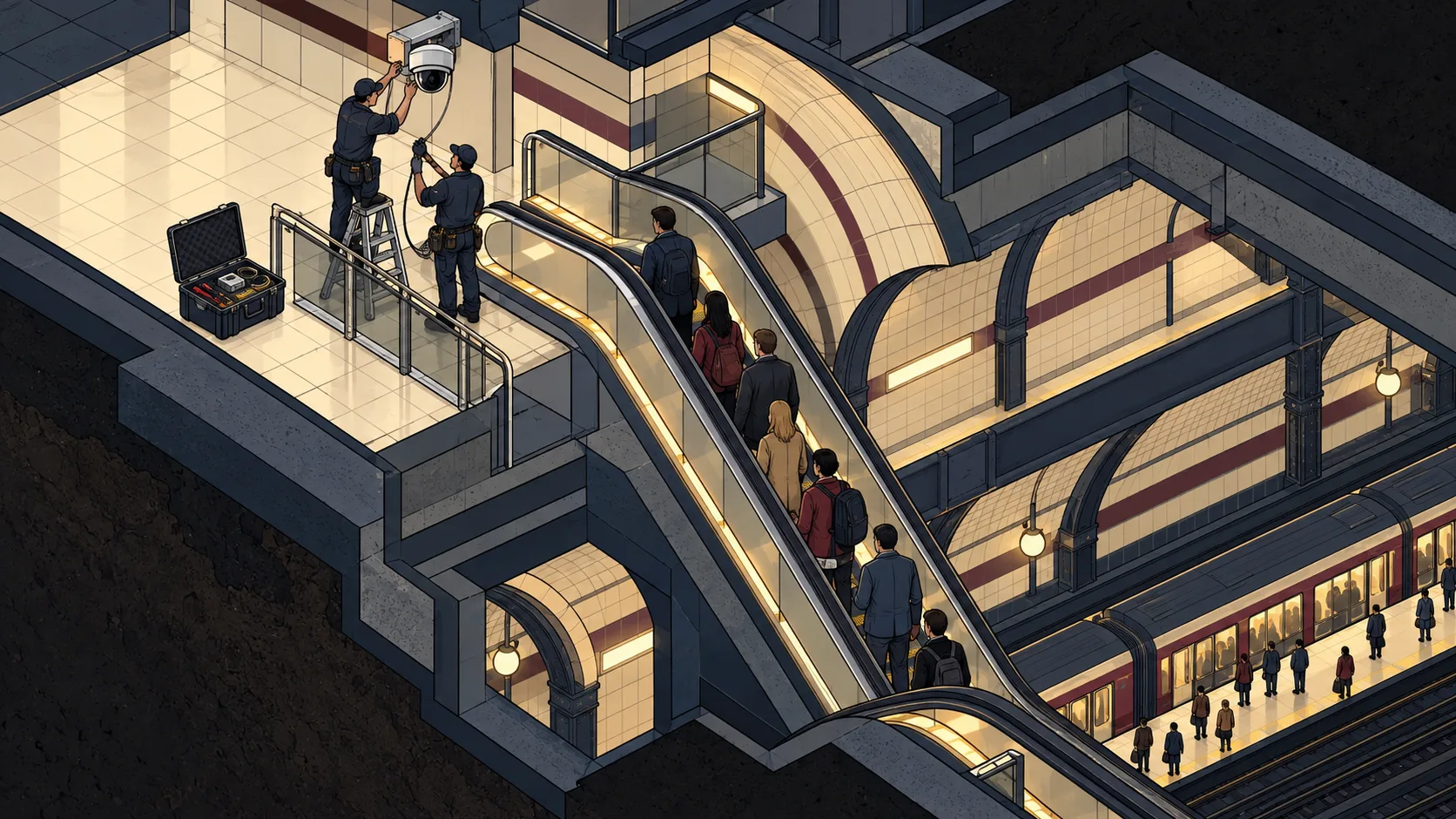
Despite the results, the transport police are not dropping the technology. The trial has been extended until November and expanded from Network Rail stations onto the London Underground.
The system uses NEC NeoFace M40 facial recognition technology. Cameras scan people passing through a designated area and compare their faces against a police watchlist. When the software believes it has spotted someone on that list, it generates an alert for an officer to review before deciding whether to stop the person.
The force states it cannot identify people who are not on a watchlist and immediately deletes their biometric data. The agency also says deployments are intelligence-led and targeted at crime hotspots where officers believe high harm offenders are likely to pass through.
 Read nextOpenAI Expands Codex and API at DevDay With Security Scans and Ultrafast
Campaigners question targeted claims
That claim of a targeted approach does not convince everyone. Sarah Simms, senior policy officer at Privacy International, told The Register the results show how many innocent passers-by have their faces processed along the way.
Simms expressed deep concern over the results and called the technology invasive and disproportionate. She pointed out that thousands of people have their sensitive facial data processed in public spaces while going about their daily lives.
Simms also highlighted the lack of legislation specifically governing the technology while the force continues to expand its use. She noted that a specific legal framework is essential to ensure restrictions and safeguards protect people's rights.
Earlier this year, UK police temporarily suspended deployments after independent testing raised concerns about racial bias at some operating thresholds. The transport police trial has now been extended while the wider controversy around police facial recognition continues.