
Russian Satellites' Orbital Shift Raises Concerns
Four Russian military satellites have recently altered their orbits. Their new paths now closely align with that of an ICEYE radar surveillance satellite. This activity has sparked questions about Russia's intentions in space.
The orbital changes were detected using publicly available orbital tracking data. Greg Gillinger, a retired Air Force space intelligence officer, highlighted these maneuvers in his Integrity Flash newsletter. Integrity ISR, which publishes the newsletter, specializes in intelligence, surveillance, reconnaissance, cyber, space, and targeting support.
The Russian satellites, named Kosmos 2610 through 2613, launched together on April 16th from Plesetsk Cosmodrome. They were carried into orbit by a Soyuz-2.1b rocket. Over the past week, these satellites have made small adjustments to their inclinations, the angle of their orbits relative to the equator.
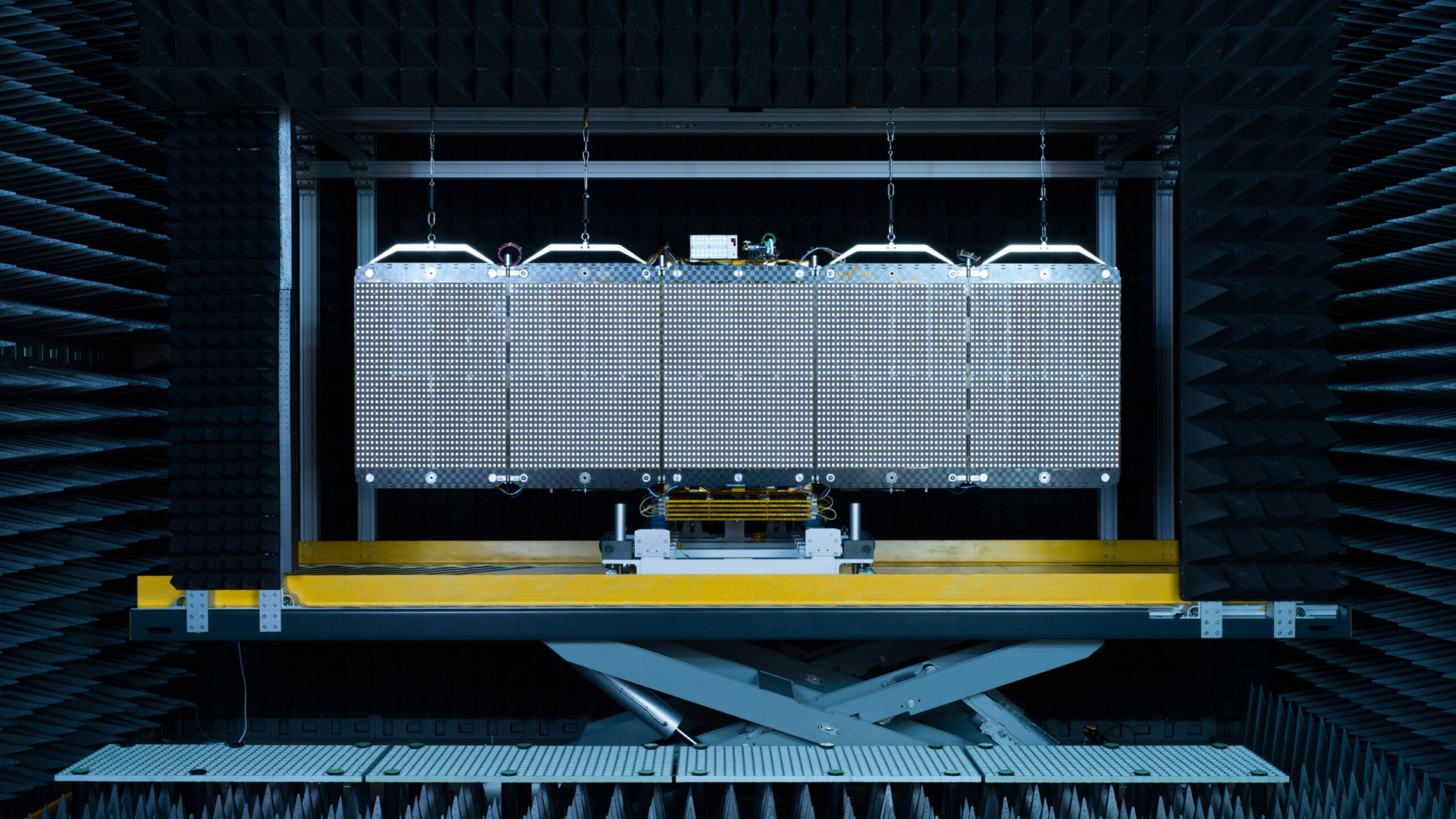
While these inclination changes might seem minor, they require a significant amount of fuel. Gillinger noted that the change in velocity needed for this maneuver is equivalent to the impulse required to raise altitude by more than 100 miles. The result is that these Russian satellites are now positioned to routinely pass near ICEYE-X36, a commercial radar satellite operated by the Finnish-American company ICEYE.
ICEYE's satellites provide all-weather radar imagery to the US military and European governments. Importantly, ICEYE also supplies imagery to the Ukrainian military in its ongoing conflict with Russia. ICEYE's co-founder and CEO, Rafal Modrzewski, even met with Ukrainian President Volodymyr Zelenskyy last year.
 Read nextAI Voice Startup ElevenLabs Reaches $22B Valuation
According to Gillinger, the closest distances between the Russian satellites and ICEYE-X36 currently range from about 500 meters to 22 kilometers. This activity is occurring in a polar orbit at an altitude of approximately 340 miles. Gillinger stated that Russian operators could close the gap further with "minor adjustments" to the satellites' orbits.
Another satellite from the same Russian launch also seems to be performing similar maneuvers to get closer to ICEYE-X36. The capabilities of these Kosmos satellites remain unclear. One retired US military space official suggested this might be Russia flexing its muscles. Russia has a history of probing US and allied forces, such as flying strategic bombers near US and European airspace.