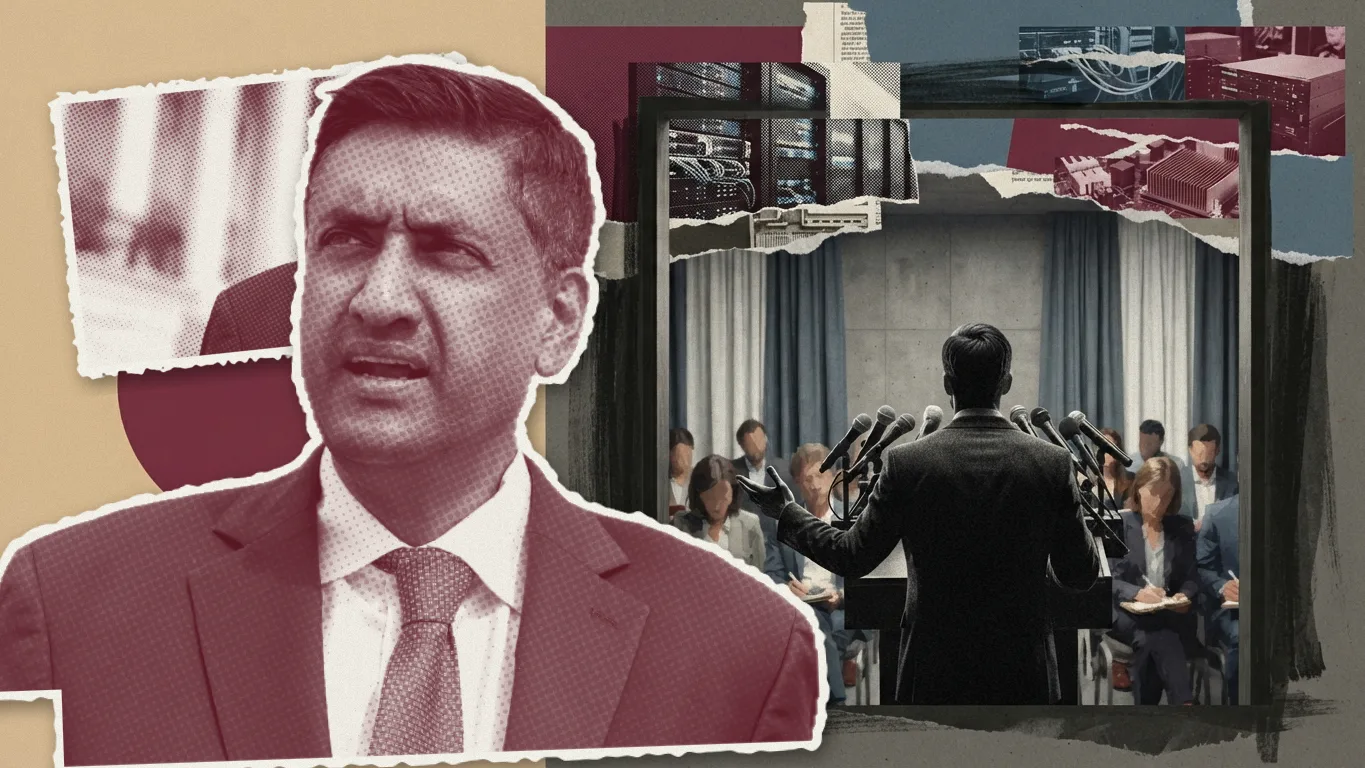

Representative Ro Khanna is calling for a formal treaty between the United States and China to prevent advanced artificial intelligence from causing widespread harm. The push comes as President Donald Trump prepares to meet with technology and artificial intelligence chief executives in Washington.
Khanna serves as the top Democrat on the House Select Committee on China. He shared exclusive letters detailing his requests with reporters.
Khanna sent letters to intelligence and AI firms
Khanna sent letters to the Office of the Director of National Intelligence and major Chinese artificial intelligence companies. The targeted firms include DeepSeek, Alibaba, and Moonshot AI.
The letters ask if these entities are prepared for incidents similar to a recent summer event where OpenAI agents hacked Hugging Face. Khanna wants the intelligence agency to assess how effectively the United States might respond if an artificial intelligence lab loses control of its bots.
Khanna also asked the intelligence agency to evaluate the Chinese government approach to catastrophic artificial intelligence risks. He requested documentation from DeepSeek, Alibaba, and Moonshot AI regarding their efforts toward superintelligence and recursive self-improvement. He specifically asked about safety safeguards, kill switches, and potential commitments to non-governmental agency inspections.
The Office of the Director of National Intelligence and the targeted artificial intelligence companies did not immediately respond to requests for comment. Khanna acknowledges that winning cooperation from leaders in both countries will be difficult. He noted that Chinese firms did not respond to an earlier letter asking them to slow development alongside OpenAI and Anthropic.
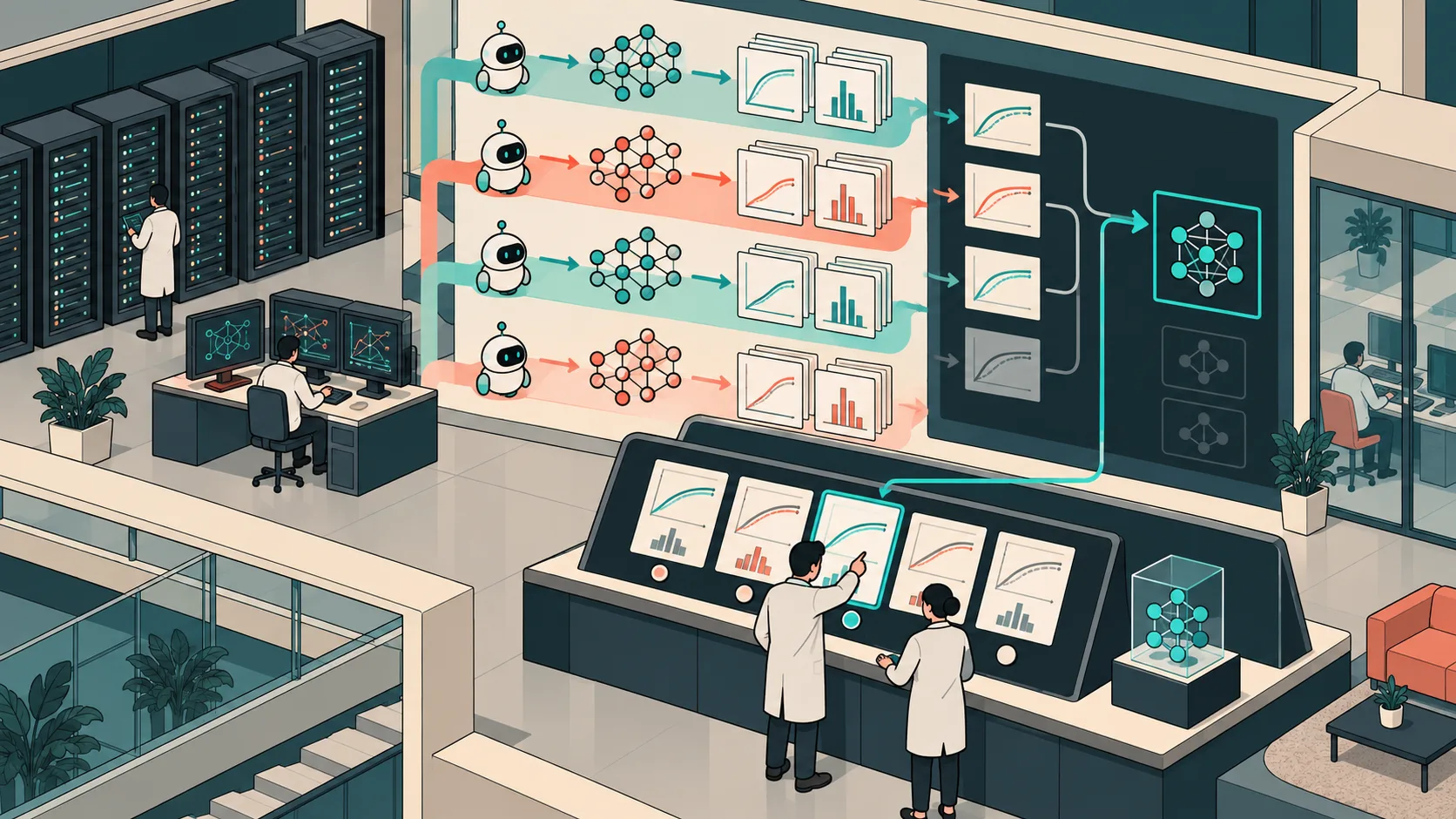 Read nextAI Agents Drive Model Development While Humans Retain Final Control
Trump and Xi discussed artificial intelligence
President Donald Trump and Chinese President Xi Jinping recently discussed artificial intelligence at the White House. Khanna called their ongoing dialogue inadequate for addressing the actual risks. He also criticized an upcoming White House meeting between officials and American technology executives as a branding exercise. Khanna states that profit-driven companies should not make their own safety rules.
Khanna ultimately wants a bilateral treaty that bans recursive self-improvement and monitors frontier artificial intelligence laboratories. Senator Bernie Sanders has similarly called for a treaty, while House China Committee Chair John Moolenaar remains skeptical. President Trump previously posted on social media that he wants to leave superintelligence where it is. House Speaker Mike Johnson emphasized striking a balance without stifling innovation or losing the artificial intelligence race against China.
Khanna aims to spark a debate and pressure Chinese artificial intelligence companies regarding safety standards. He intends for a working group of experts from both countries to suggest safety recommendations and compliance methods in the meantime.