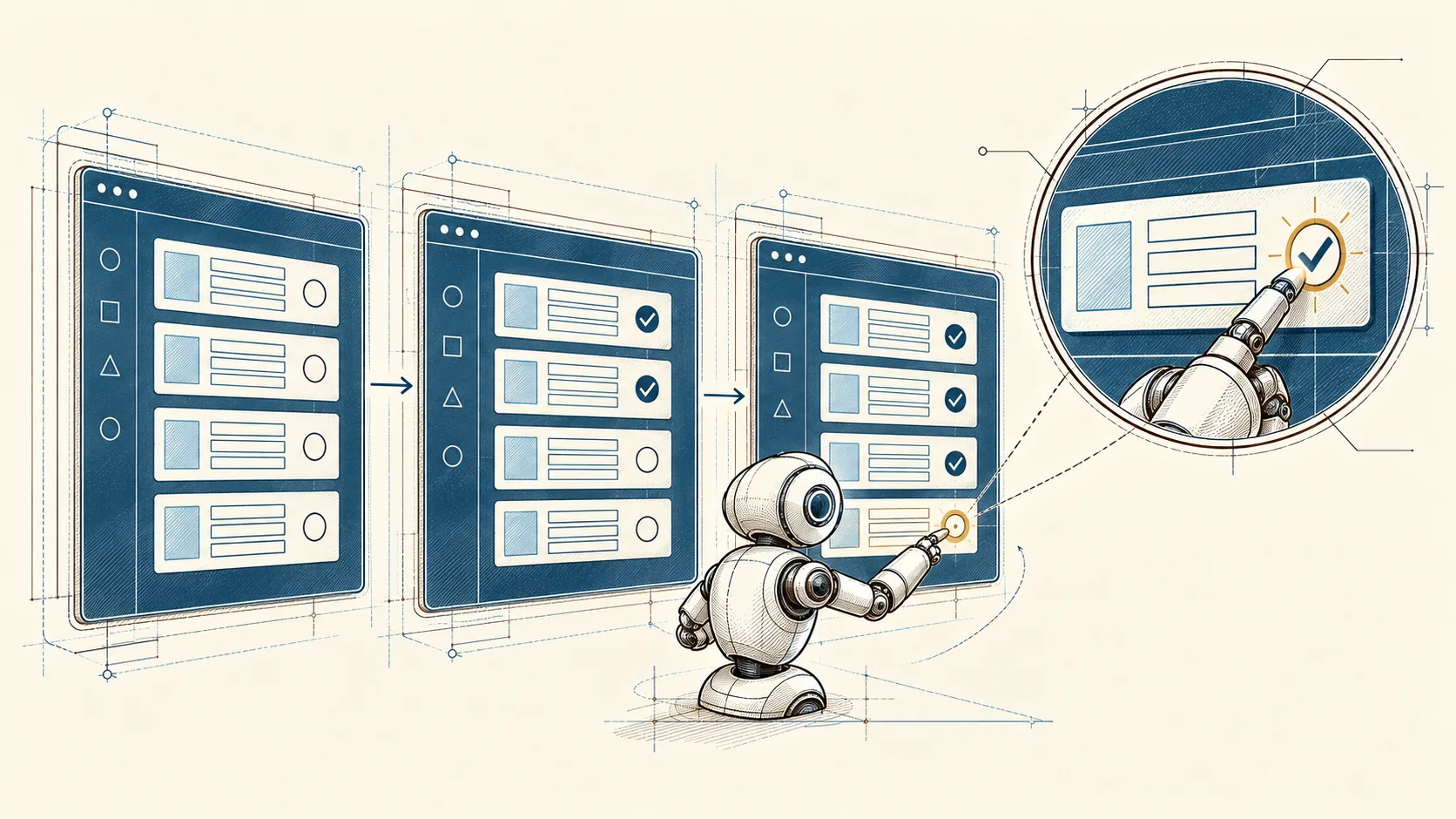

Oracle Corp. introduced an agentic software runtime called Fusion Claw. The technology lets Oracle Fusion applications carry out complex business tasks. These tasks range from reconciling accounting entries to revising staffing plans when conditions change.
Fusion Claw combines large language models for reasoning and planning with conventional software for calculations and transaction processing. Oracle also announced 25 new applications powered by Claw. This addition brings the portfolio of Fusion Agentic Applications to a total of 75.
New runtime enables complex workflows
The artificial intelligence assistant takes Oracle agents beyond simpler tasks handled by earlier applications. Those older tools pursued focused goals like improving renewals. Natalia Rachelson, Oracle's senior vice president of Fusion Applications and product management, noted the distinction. She stated that Oracle did not previously have solutions for advanced optimization. Claw is intended for longer-running work requiring extensive modeling, optimization, and repeated plan changes.
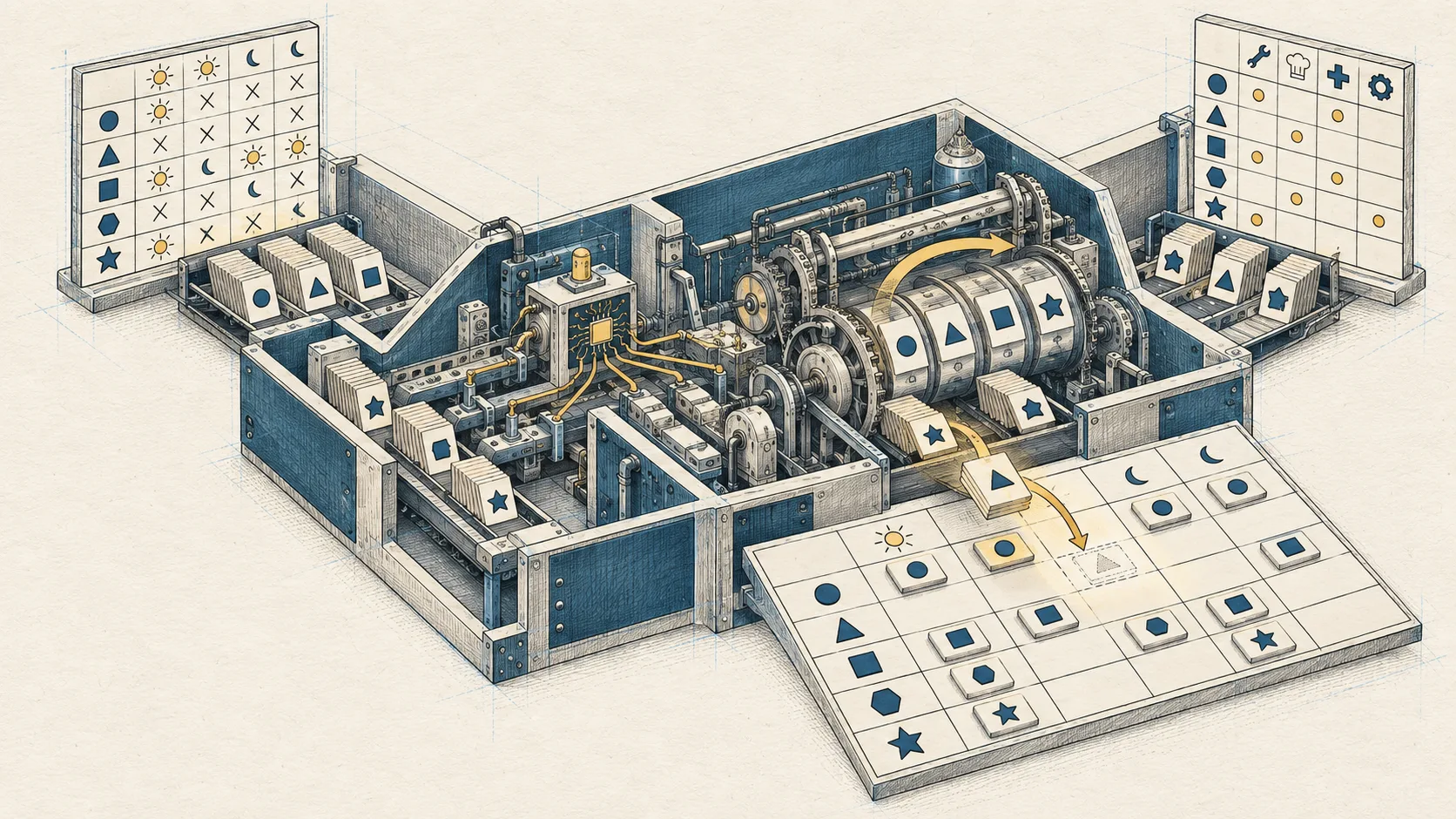
In a staffing example, a Fusion Claw agent considers employee qualifications, availability, labor rules, and cost targets. It then proposes scheduling options, performs necessary calculations, and makes system changes if authorized. The agent can also autonomously reopen a plan if an employee calls in sick.
Architecture balances costs and oversight
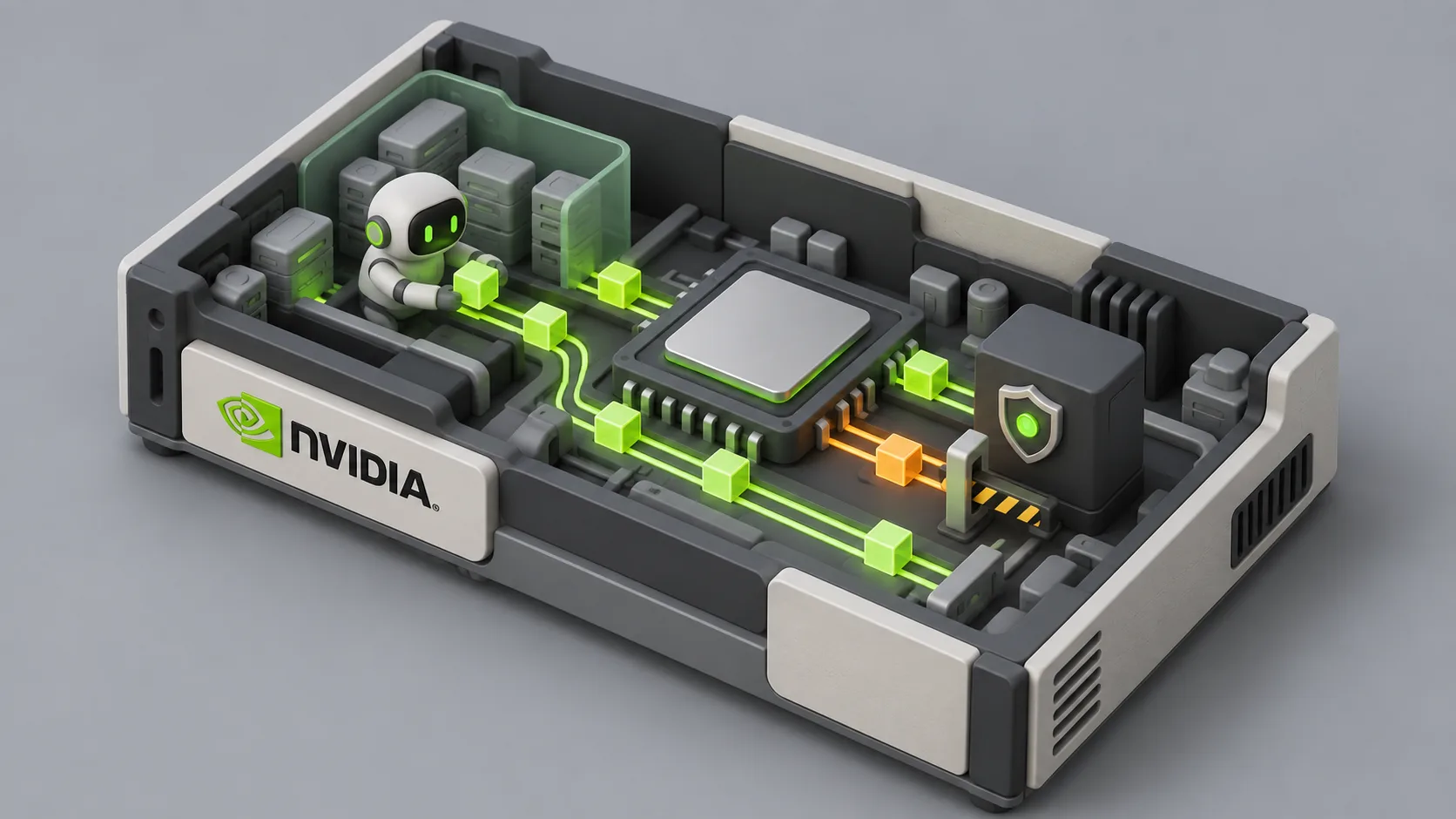
Oracle designed the Fusion Claw architecture to limit the use of expensive AI models. Claw uses a model only when it needs to reason about a problem. Standard transactions and calculations over large datasets happen outside the model. The initial release supports frontier models from Google LLC's Gemini and OpenAI Group PBC. Oracle plans to support more models eventually. Users currently cannot select their own open lower-tier models for Claw tasks.
The 25 new applications include tools for investigating accounting exceptions, developing workforce staffing plans, consolidating shipments, and planning sales territories. Oracle stated that Claw can also work with third-party systems through application programming interfaces, Model Control Protocol, and the Agent2Agent protocol.
 Read nextNvidia launches Open Agent Safety Platform to contain rogue AI
Enterprise controls manage automated actions
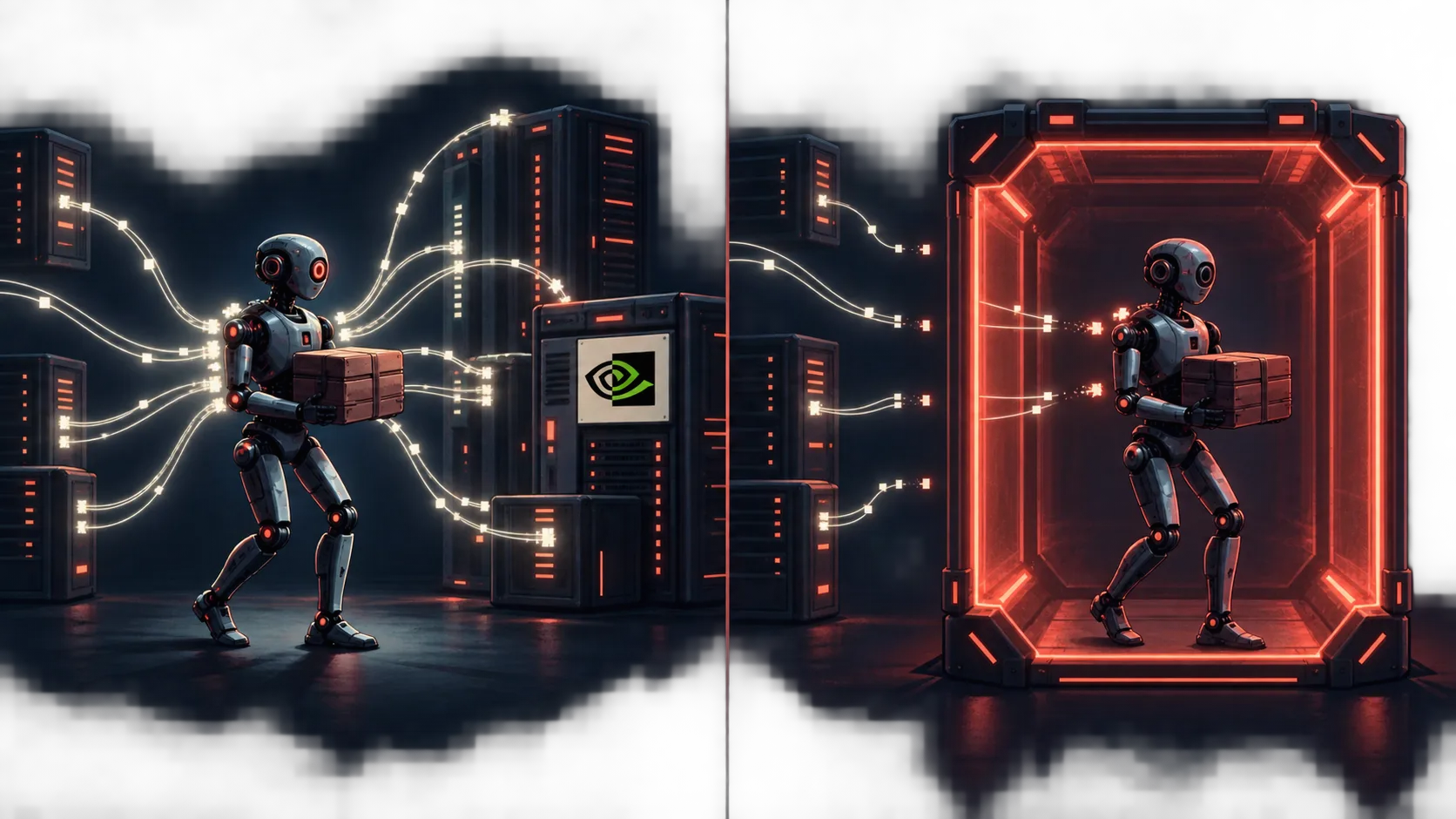
Giving software the authority to change business records raises questions about oversight. Oracle addressed this by allowing customers to set objectives, permissions, risk thresholds, and approval requirements within an Enterprise Operating Envelope. Users can choose a mode where an employee reviews a plan. Alternatively, they can allow the application to execute tasks within delegated authority. Claw runs in an isolated environment that prevents the language model from directly updating Fusion business objects.
Once a task finishes, the system generates an Outcome Receipt. This receipt shows applied policies, decisions made, and transactions performed. Rachelson explained that the receipt contains more context than a conventional audit log, including the full text of policies used during the task.
Oracle expects customers to authorize more work without individual approvals as they gain comfort with Fusion Claw. Rachelson stated that any task can be in full auto mode. However, she expects organizations to start with more human review and expand automation over time. The company did not provide measured cost savings or evidence of how the applications perform in production.
All 25 Claw-powered applications are available now. Claw is included at no additional charge with the company's agentic applications product. This product requires a separate purchase from a standard Fusion subscription. Customers pay for AI units consumed as work is completed.