
OpenAI says its GPT-6 models can design protein shapes and amino acid sequences using reasoning and code, without specialized biology models generating those designs. In lab tests with research partner Onava, proteins based on shapes designed by a pre-released version of GPT-6.2 showed evidence of binding to each of five chosen targets.
The distinction matters in interpreting the lab results. GPT-6.2 designed the three-dimensional shapes, but a specialized model supplied the amino acid sequences needed to make those proteins. Other specialized models helped select candidates for testing. Of 322 small proteins tested, 35, or 10.9%, showed evidence of binding to their intended target.
GPT-6.2 proposed amino acid sequences in lab tests
OpenAI also tested whether GPT-6.2 could propose sequences itself. Given the shapes of existing small binding proteins but not their original sequences, it produced new sequences. In initial lab screens, binding appeared in 75 of 88 designs for MDM2, 26 of 42 for VEGF-A and 8 of 59 for PD-1. Specialized models again helped choose which candidates to test.
In separate tests, GPT-6.2 redesigned parts of antibodies while aiming to preserve their ability to bind. Of 182 designs for six small antibodies targeting IL-4Rα, 128 showed signs of binding. In tests of fragments from five therapeutic antibodies, 179 of 272 redesigned fragments bound to the original target, PD-1 or PD-L1.
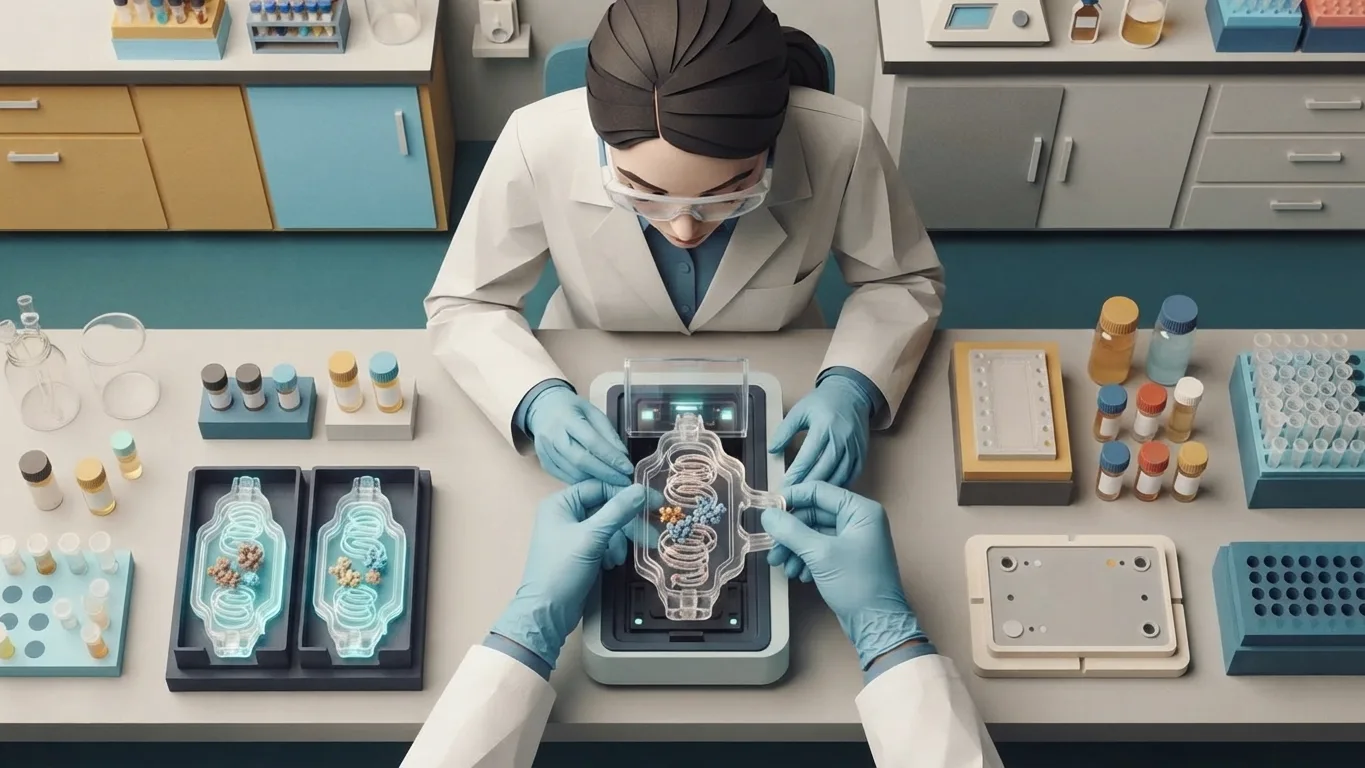
Models were evaluated in computational tests
Computational tests covered protein design, structure prediction and molecular interactions. OpenAI says its latest models matched or exceeded specialized models on most tasks tested, while predicting a complete protein structure remained a weakness. An internal model also followed prompts specifying where a small protein should attach and how many coils or strands its shape should contain with near-perfect fidelity, according to the company.
In a preliminary computational test of designs built around fixed structural features, 43.7% of designs from OpenAI’s latest internal model passed its checks, compared with 27.8% for the specialized model RFdiffusion. OpenAI says lab experiments are still needed to determine whether those proteins perform their intended functions.