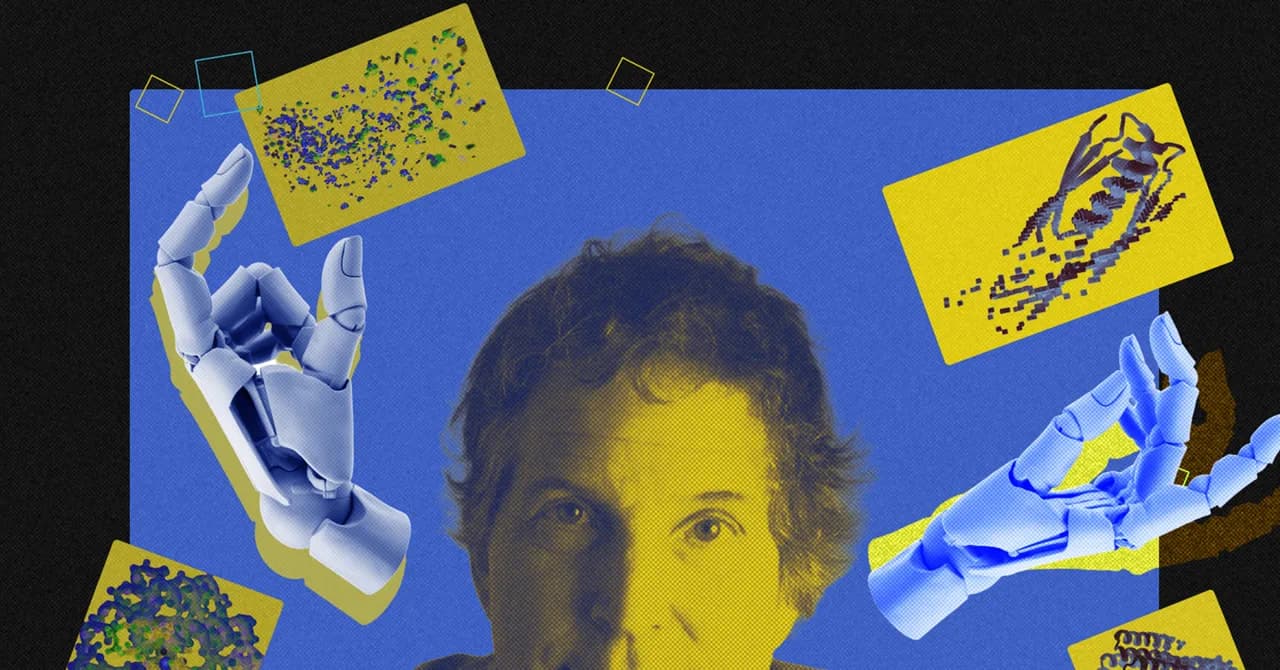

Researchers are aiming to create databases, models, and tools. These resources could serve as seeds for developing future medicines and technologies. The authors envision new drugs to treat cancer and neurodegenerative diseases. They also imagine enzymes capable of breaking down plastics in the ocean.
The Seattle biomedical research nonprofit Allen Institute leads the initiative. The University of Washington and the Fred Hutchinson Cancer Center are also involved. David Baker is among the scientists leading the charge. He shared the 2024 Nobel Prize in Chemistry for computational protein design.
For much of biology history, scientists studied solutions forged by billions of years of evolution. Exploring possibilities that nature never produced is a fundamentally new approach. A leader in the field even compares the potential of these methods to historic transformations. Those transformations include industrialization, electrification, and the digital revolution.
Delving into completely novel regions of biology leads to difficult questions. WIRED en Español spoke with David Baker to address this topic. Baker serves as chief scientific officer at AI BioDesign.
Baker spoke about the risks involved in venturing into uncharted territory. He noted that nature has explored only a fraction of physically and chemically possible options. The primary risks match those of any new biological technology. They include unintended interactions with living systems, unexpected environmental effects, or misuse.
Computational design allows researchers to evaluate many risks before synthesizing a molecule. Scientists can screen designs computationally. They test designs extensively in contained laboratory settings. Then they subject them to experimental validation.
Baker outlined lofty goals for protein design. His team is working to build a world where a cure for a new disease is created in weeks instead of decades. They want clean air, water, and soil by removing pollutants. They aim for crops to thrive in harsh conditions. They also want molecular machines to pull critical minerals from waste and repair infrastructure.
Proteins are the molecular machines life developed to create organic matter. Unlocking their potential requires deriving engineering principles. This makes innovative new ideas achievable.
Addressing AI capabilities, Baker noted that science often progresses in stages. Machine learning excels at observing patterns that can be leveraged for biological design. Strong experimental evidence can justify moving forward. Deeper understanding remains an important objective for research and scientific inquiry.
Decisions about what not to design should be guided by balancing potential benefits and potential harms. Applications addressing major challenges in health, sustainability, or human well-being have a strong case. Conversely, designs creating significant risks to public safety, security, or the environment deserve heightened scrutiny and restrictions.
Baker advocates for governance structures that evolve alongside AI and biotechnology. Restrictions should include monitoring and logging all synthetic DNA that is manufactured. This records the sequence and its creator. It creates a practical barrier to misuse and a record of ill-intentioned attempts.
The next known step for the AI BioDesign initiative involves ongoing research, computational screening, and experimental validation of designed molecules and biological functions.