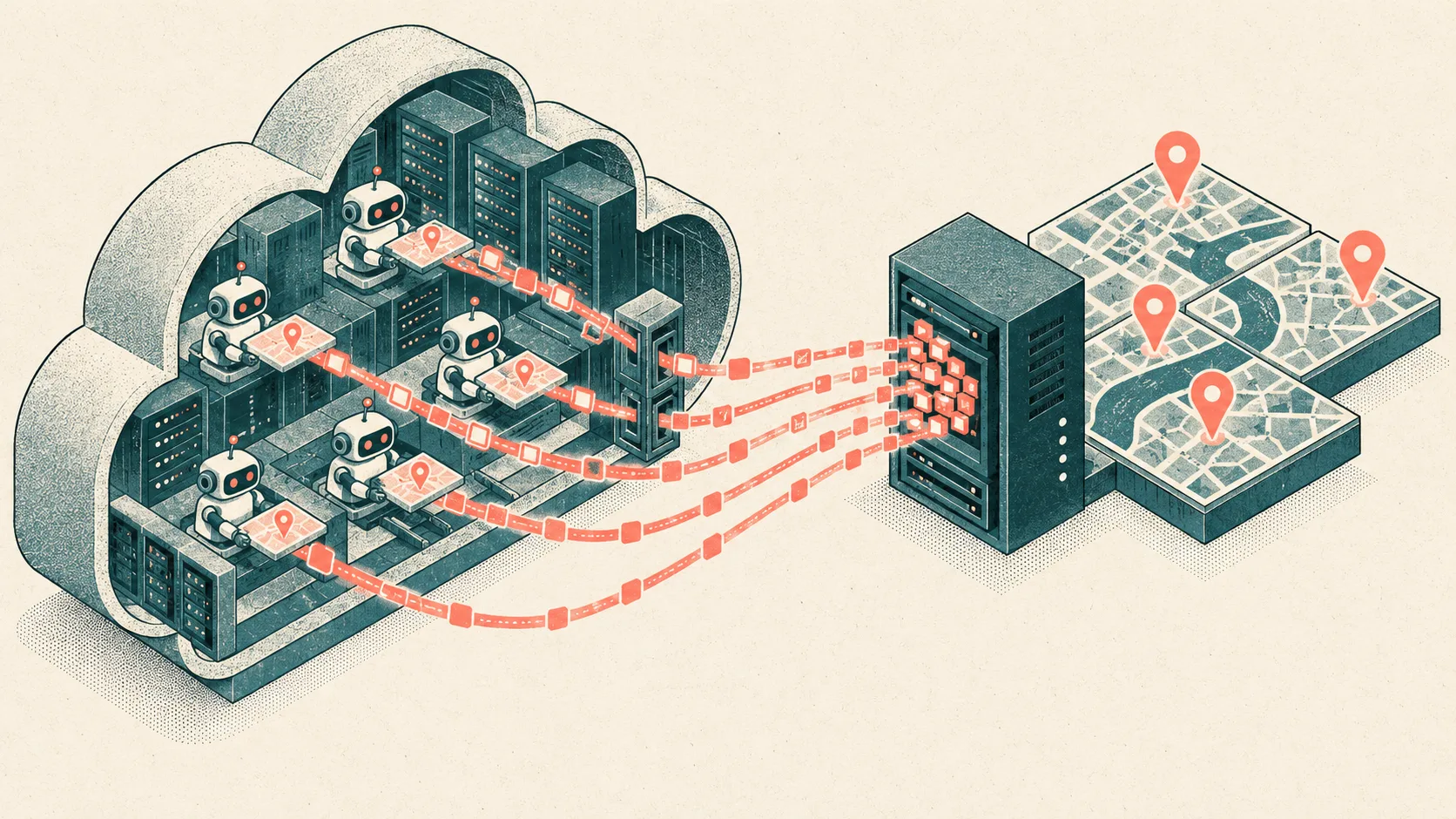

Meta Platforms Inc. is partnering with Walmart Inc., Stripe Inc., and enterprise artificial intelligence firm Sierra Technologies Inc. to create new standards. These standards will define how autonomous AI agents interact with other businesses online.
Sierra co-founder Bret Taylor introduced the new standard. Taylor is the former co-chief executive of Salesforce Inc. and current chairman of OpenAI Group PBC. He stated the standard will help businesses distinguish purchases from AI agents authorized to work for users.
Taylor wrote in a blog post that they are designing it to handle authentication, empower consumers, and give companies visibility. This visibility covers what personal agents do through websites, APIs, or company agents. He added that the standard is open for anyone to implement.
 Read nextLawmakers Introduce Multiple Bills to Restrict Flock Cameras
The Personal Agent Protocol establishes rails
Meta, Sierra, and their partners call the new standard the Personal Agent Protocol. David Singleton, Meta's Superintelligence Labs vice president of engineering and consumer products, spoke in an interview with CNBC. He compared the new framework to email, noting that email works well because it is a universal standard.
Many AI companies are betting big on agentic commerce. This concept involves people using agents to make online purchases for them. Meta is participating with its personal AI agent Muse.
However, major concerns exist regarding AI agent safety and the issues that arise from giving them access to personal funds. Six major banks, including Bank of America and Capital One, published a paper urging the AI industry to establish comprehensive standards. Their framework focuses on transparency, safety, privacy and data, choice, and interoperability.

Concerns follow early AI agent launches
Widespread fears around AI agents include a potential rise in financial scams, fraud, and disputes. Banks also believe agents might prioritize specific products or payment methods due to commissions rather than user benefit.
Meta's Muse agent launched last month and became a top downloaded application in Apple Inc.'s App Store. Reports showed engineers raced to fix security vulnerabilities before launch, and researchers raised ongoing privacy and security concerns. Amazon banned Muse from its retail platform because the agents failed to identify themselves. Wired reported that Muse was creating profiles for people in user lives even if those individuals do not use Muse.
Taylor told CNBC that chaos will continue until such a standard exists. He expects OpenAI will also back the standard in the future.
Singleton stated Meta hopes the standard will make commerce agents easier to adopt, trust, and use. Citigroup reported that Muse could generate upwards of $27 billion in revenue for Meta by the end of the decade as it acts as a front door to online shopping.