
Huawei rotating chairman Eric Xu claims that its Ascend line of neural processing units has surpassed Nvidia in Chinese market share. Xu shared the market assessment in a recent question-and-answer release from the company. He noted that collecting exact data on Nvidia inside China remains difficult.
US export control policies governing artificial intelligence accelerators created a major shift in the region. The Trump administration implemented licensing requirements on China-spec accelerators in April 2025 before reversing course that summer. The US Commerce Department later reached an arrangement to take a percentage of certain China-bound chip sales. Late last year, the US government loosened restrictions further by allowing Nvidia to sell H200-series parts to approved Chinese customers.
Government officials in Beijing pressured local data center operators to abandon foreign accelerators after the initial H20 restrictions set off alarm bells. Nvidia executives revealed during a recent earnings call that H200 shipments to the region amounted to less than one percent of datacenter revenues. Xu emphasized that domestic customers prefer guaranteed supply over more advanced foreign hardware.
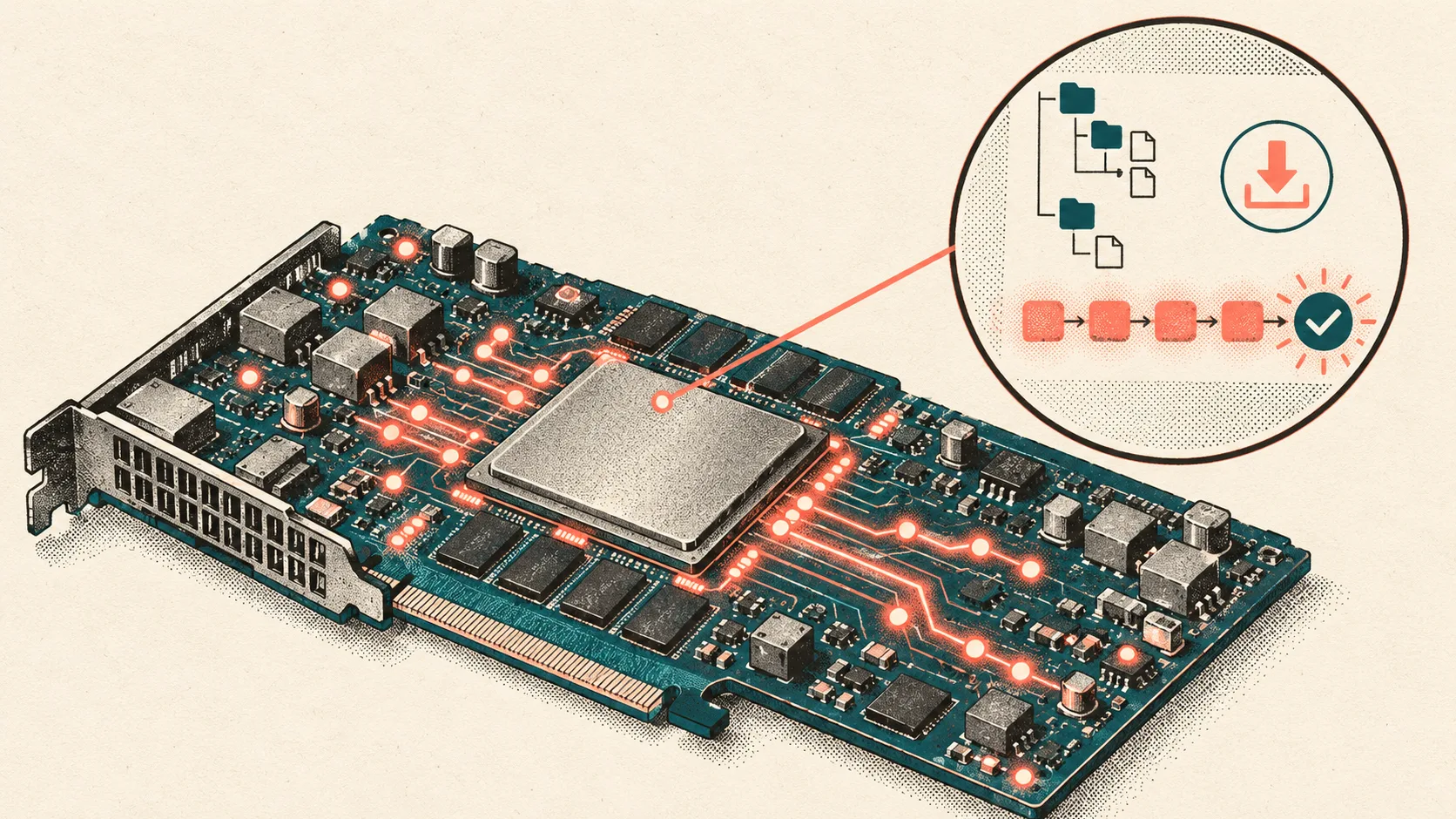 Read nextDeepseek Releases Open-Source Software for Huawei AI Chips
Huawei relies on scale to offset performance deficits
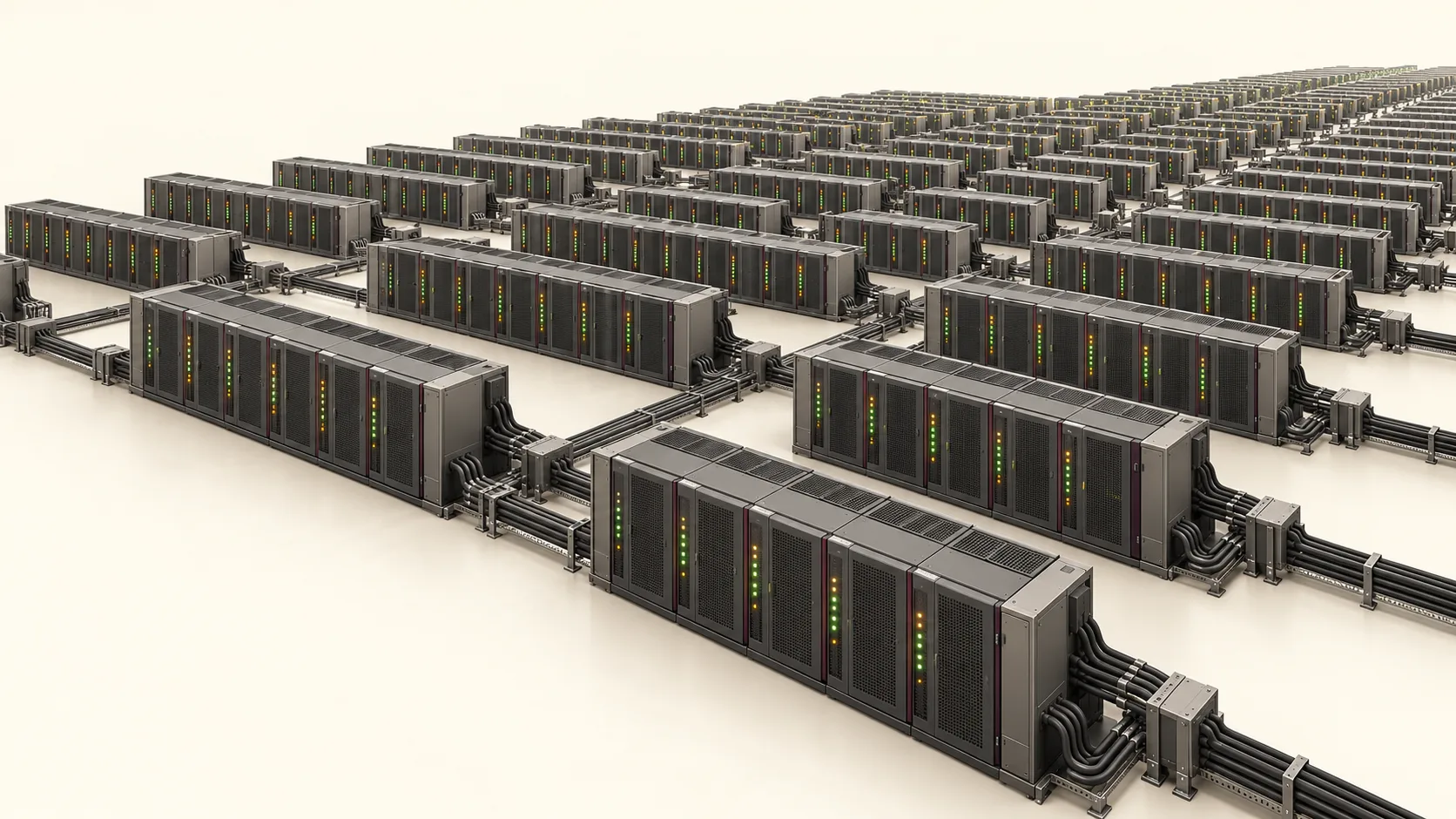
Huawei relies on scale to offset paper performance deficits against hardware from Nvidia and AMD. The company is deploying a 256,000-card Atlas 950 SuperCluster and plans to support multi-trillion-parameter models across up to one million neural processing units. Xu stated that Huawei lacks the capacity to satisfy total demand inside China and has no current plans to expand its international market in a fully-fledged way.
Malaysia received a limited supply of Ascend accelerators for a sovereign artificial intelligence initiative. Xu explained that Huawei prioritizes domestic customers with urgent compute demands. International shipments go only to select buyers who lack access to alternative solutions.
Software shifts help developers transition
Shifting software paradigms are helping developers transition away from foreign ecosystems. HiSilicon chief scientist Liao Heng pointed to the reduction of the traditional software barrier known as the CUDA moat. Changes in model architectures have pushed developers toward mega-kernel-style programming.
DeepSeek has worked with Huawei chips for over a year and released software tools this week to make Ascend accelerators more accessible to other artificial intelligence laboratories.