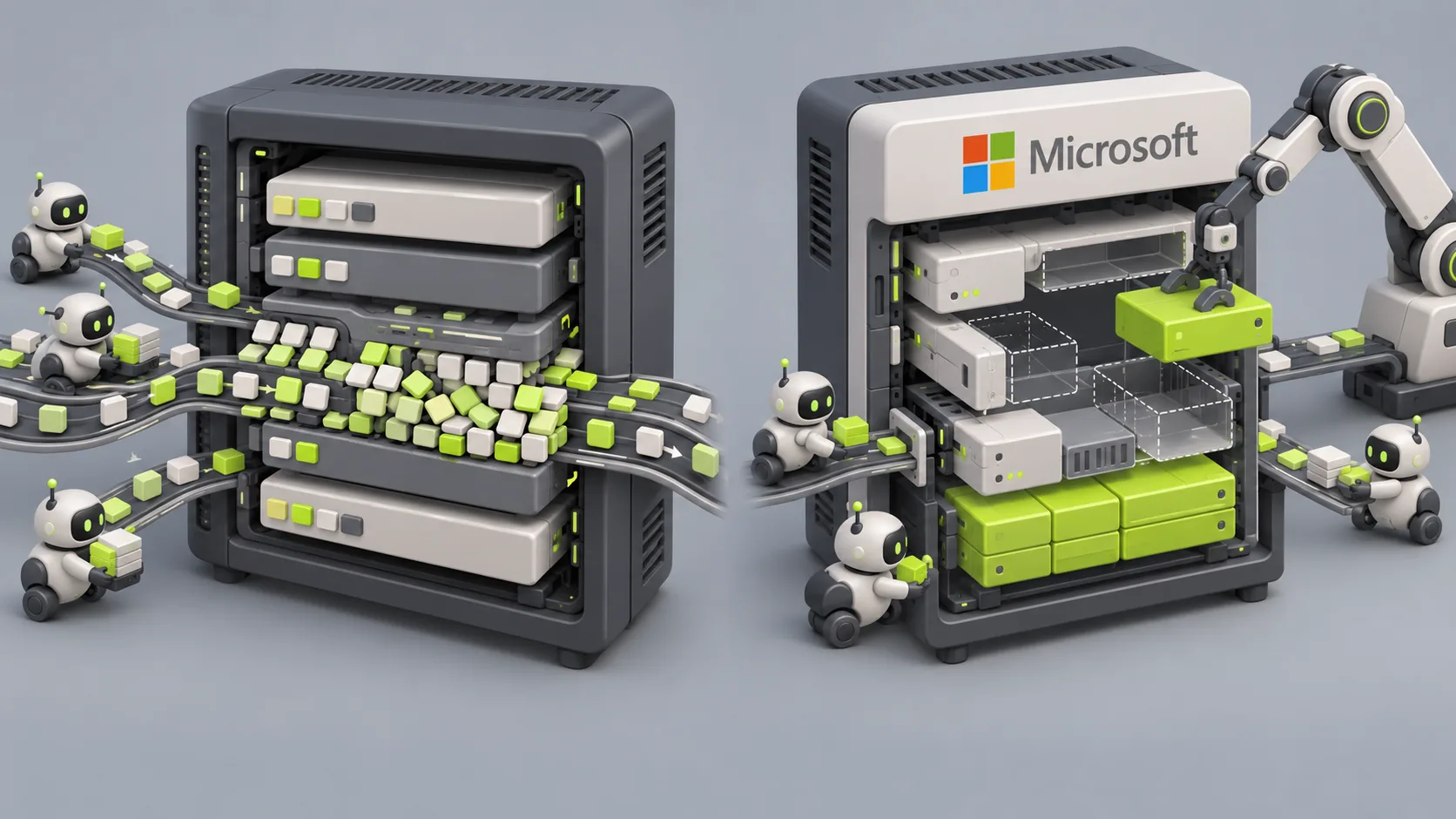

GitHub is rebuilding its Git storage architecture from scratch to handle unprecedented demand from AI agents. Early tests show a promising 35x write improvement in internal tests.
The plan involves decoupling writes from reads, offloading maintenance, and letting object storage manage redundancy. The redesign happens under the hood with the goal of a non-disruptive change that will not alter developer workflows, review processes, or security controls.
Brian Celenza, a GitHub principal software engineer, wrote in a blog post that enterprise code repositories must support large engineering teams running busy continuous integration pipelines alongside growing fleets of agents. Celenza did not offer a timeline for this migration.
 Read nextGitHub updates secret detection model and previews push protection checks
AI agent activity surged on the platform
Platform activity surged as customers shifted their focus to AI agents. Traffic doubled between September 2025 and August 2026, rising from 218.2 billion events per month to 473.3 billion. Commits hit 7.38 billion in September alone, representing a 5x increase from September 2025.
This traffic shift is stressing the system. The GitHub Availability Report states that the service suffered 10 performance-degrading incidents in April. Another nine incidents occurred in May, generating growing public criticism.
GitHub currently uses a storage architecture nicknamed Spokes. Spokes relies on a three-phase commit protocol, storing full repository copies across multiple local disks and requiring a quorum of replicas to acknowledge each write. While this approach ensures strong reliability, it bottlenecks write speed because every push is bounded by the slowest replica required for the quorum.
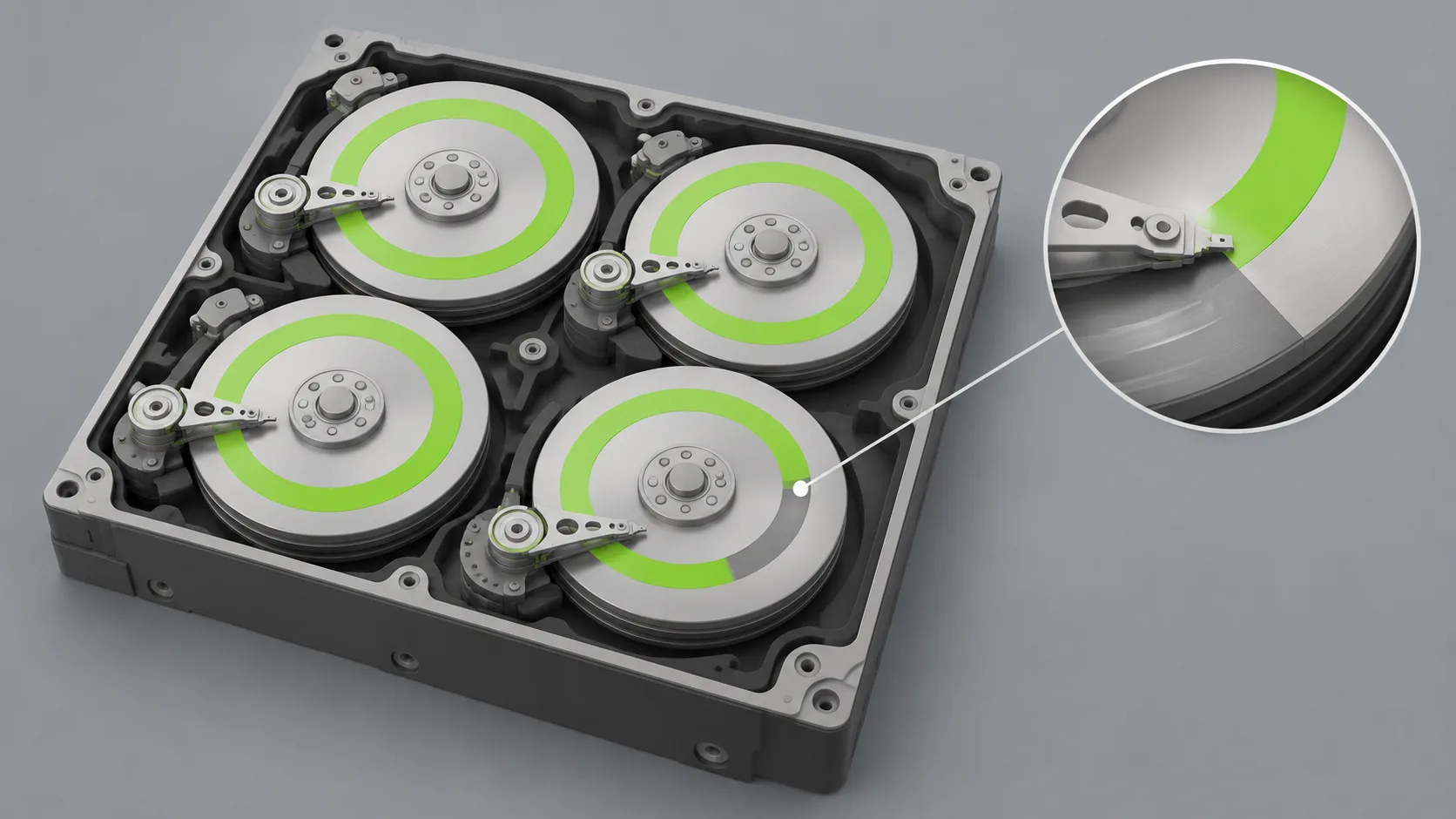
The new architecture writes to Azure Blob Storage
The new architecture writes a commit only once to Azure Blob Storage. This object store service automatically handles replication and redundancy on its own, eliminating the quorum bottleneck. GitHub also boosts performance by separating read requests into their own channel handled by lightweight compute workers. The only coordination between reads and writes occurs over the reference branch pointers.
Maintenance duties such as compaction and garbage collection now operate as background processes outside the serving path, further reducing system lag. Other companies are also rethinking Git for the agentic age. Former GitHub CEO Thomas Dohmke launched Entire, a Git-hosting service that offloads agent traffic to mirror repositories. SpaceX subsidiary Cursor refined its storage layer by rejecting Spokes' three-phase commit in favor of uploading pushes into an object storage write-ahead log that captures changes as immutable objects while caching at least one copy on fast solid-state disks.
PlanetScale CEO Sam Lambert noted on X that GitHub faces traffic increases far beyond what companies usually prepare for. Brian Celenza did not provide a timeline for the migration.