

The Center for Humane Technology is laying off most of its staff and moving to a founder-led model. The nine departures include executive director Julie Guirado and senior director of strategy Camille Carlton. The cuts follow courtroom victories against social media companies in lawsuits that relied on the center's research.
Internal debates had persisted for years over the direction of the organization, according to 16 former workers. CHT's board concluded that attempting to operate simultaneously as an advocacy group fronted by Tristan Harris and a think tank producing policy papers stretched the organization too thin. Moving forward, CHT will focus on initiatives with its founders at the forefront.
Those initiatives include public education, targeted briefings, and private coordination. Functions such as assisting in litigation and evaluating artificial intelligence tools are being eliminated, though the board did not specify an exact layoff number. Board chair Premal Shah stated that accelerated AI risk requires a focus on core strategies.
In recent years, Harris has warned of potential AI takeover risks if software evades control. The center encouraged people to sign a petition to pause AI development and helped organize a congressional hearing on chatbot dangers. It also advised on lawsuits and investigations probing AI labs for design choices.
Founded in 2017, the center competes with other nonprofits for funding and attention to shape AI policy. With an annual budget of roughly $6 million and a similar amount in reserves, CHT has relied on funding from wealthy families and foundations. Former employees worry resources might be diverted from addressing AI impacts on democracy and civil liberties.
 Read nextAI Tools Enabled Single Attacker to Breach South Korean Banks
Harris maintains a high media profile
Harris cofounded the center with Aza Raskin and Randy Fernando to push tech companies to take responsibility for the social consequences of their products. His national profile grew further with the release of the Netflix documentary The Social Dilemma in 2020. Internal Meta documents released in court showed company researchers discussed reaching out to Harris as early as 2018.
Inside the organization, former staffers say Harris sometimes clashed with his team over whether to focus on consumers, tech companies, or lawmakers. Some colleagues described the culture as frenetic, while Shah defended it as fast-paced due to mission urgency. Projects like an online course for tech workers and resources for educators eventually fell by the wayside as focus shifted to AI.
Former employees describe the group's strategy as emphasizing grasstops activism over grassroots efforts. Shah counters that mass communications create grassroots pressure that unlocks action from the grasstops. Some former employees allege founders were reluctant to criticize companies where they previously worked, a claim Shah disputes.
Legal victories validate advocacy approach
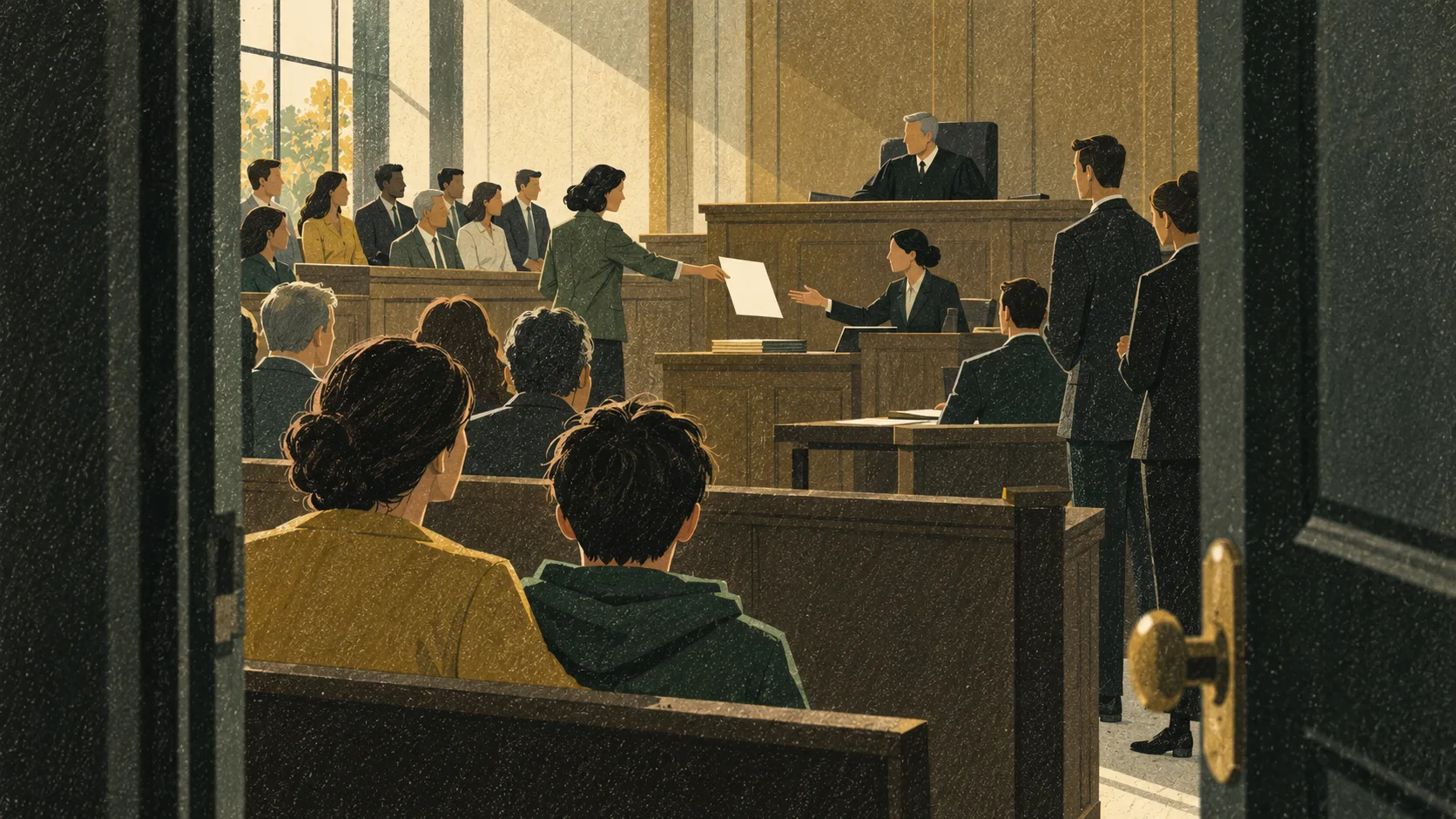
State attorneys general opened investigations into Meta in 2021 and later sued the company for allegedly misleading teens and parents. Meta agreed to settle some lawsuits for billions of dollars this year, and juries held the company accountable in separate cases. Other social media platforms also agreed to settle similar litigation.
Despite these legal successes, the shift away from courtroom and statehouse work disappoints some observers. Gail Barnes, an early advisor, says the board is dropping work intended to convert Harris' fame into durable pressure. The organization will now focus on public education and high-level meetings.