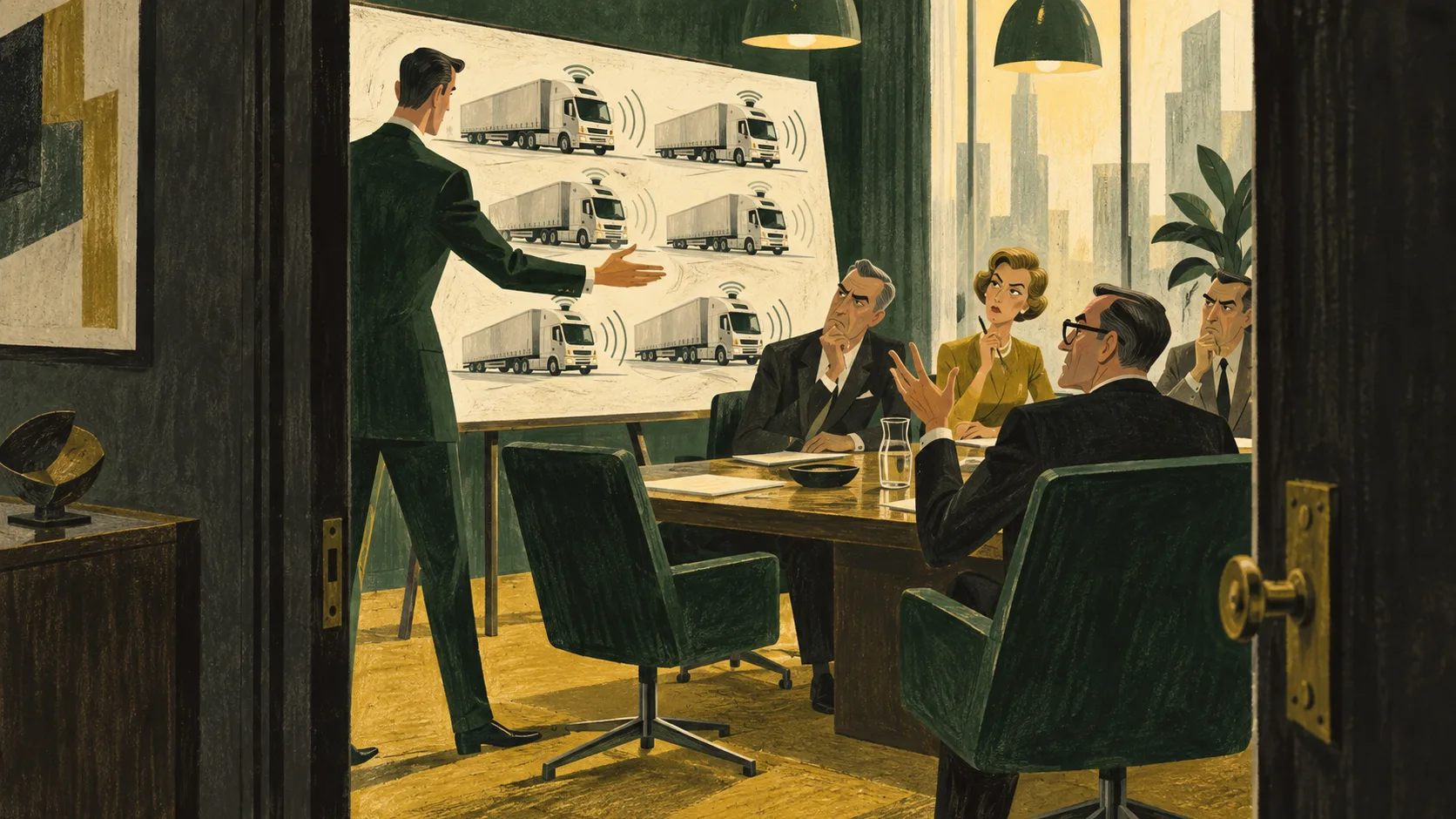

Autonomous vehicle technology company Aurora told investors last week that it expects to have more than 30,000 self-driving trucks on the road generating $5 billion in annual revenue by the end of 2030. This plan is considered audacious because the company expects to end 2026 with just 200 driverless trucks and an $80 million revenue run rate.
CFO David Maday contends the seemingly outsized target is not as large or as out of reach as it might appear.
While 30,000 feels like a lot in the autonomy space, Maday notes that the four major truck manufacturers produce between 250,000 and 300,000 new trucks every year. He does not think the target is aspirational and believes the company can achieve it.
Investors have not embraced Aurora vision for 2030. Shares continued to slide following the annual analyst and investor day on September 23. On Monday, shares closed down 12.42%, falling to $5.29.
 Read nextMore Than 80,000 Organizations Had AI Logins Stolen by Infostealers
The big unlock starts in 2027
Maday states that the big unlock for Aurora starts in 2027 and accelerates from there. The firm expects to grow from 200 driverless trucks at the end of 2026 to more than 1,000 a year later.
Aurora currently operates a transportation-as-a-service business model. This proof-of-concept setup is limited to about 500 trucks. The company owns the autonomous trucks and charges customers like Detmar Logistics, Hirschbach, McLane, and Werner about $2 per mile, which includes a fuel surcharge.
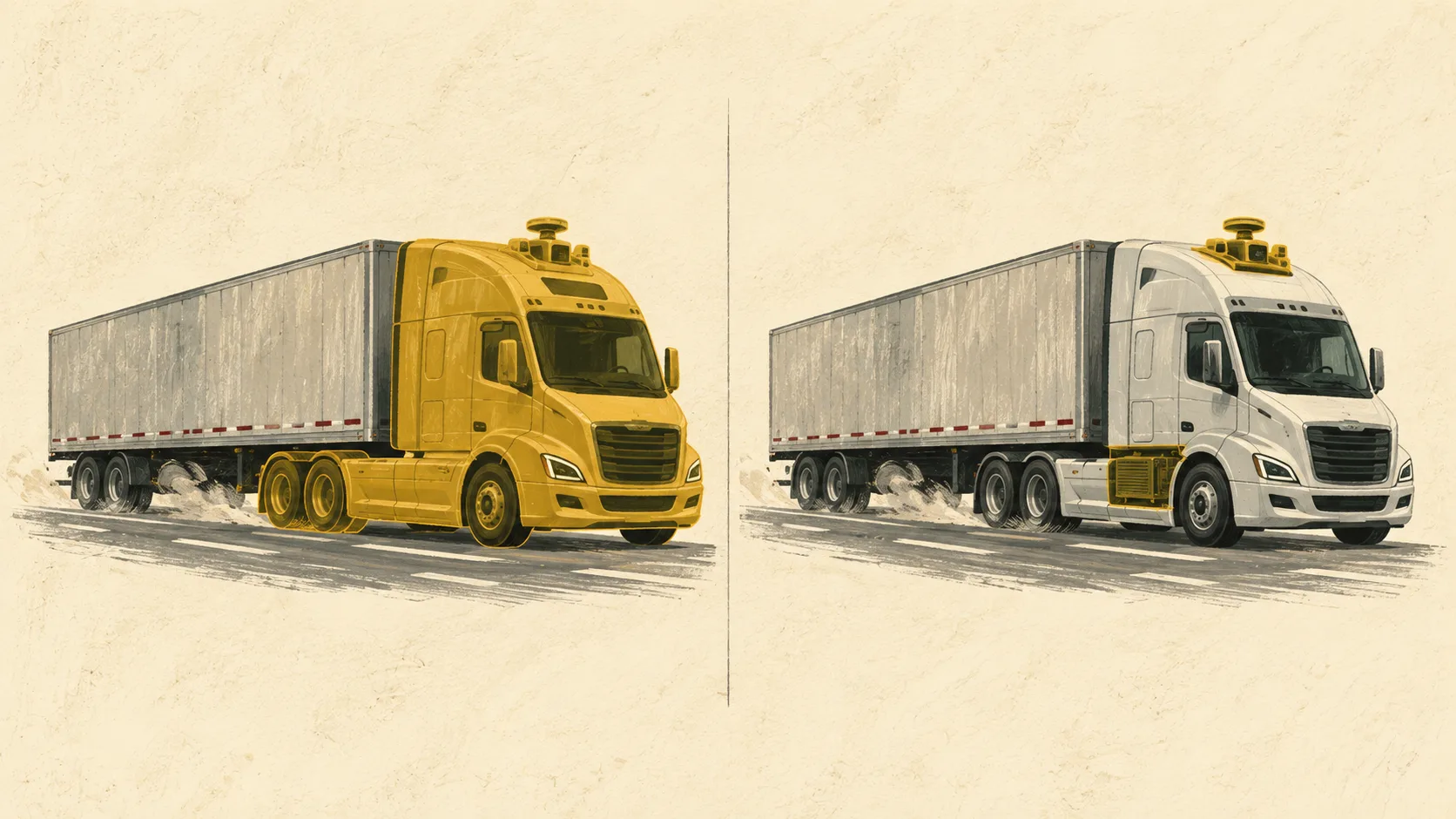
The pricing matches typical rates charged by other carriers. The real shift occurs next year when Aurora transitions to a driver-as-a-service model. Customers will purchase the self-driving trucks and pay Aurora a per-mile subscription fee of about $0.85 for the autonomous technology. Customers will own and maintain the trucks, while Aurora maintains the self-driving system and hardware.
Hardware partnership eases financial burden
Moving trucks off the balance sheet is critical for scaling operations. Aurora expects to reach breakeven gross margins on a run-rate basis in the first half of 2027 with roughly 500 trucks operating.
The next major leap arrives at the end of 2027 with third-generation hardware. Partner Aumovio, formerly known as Continental, will mass-produce the sensors, computers, and equipment. Aumovio is engineering, manufacturing, and financing the hardware kit for Aurora while servicing and repairing the kits for customers.
Aurora plans to expand operations beyond a few Southern states to cover the vast majority of the continental United States by 2030. Maday also confirmed that Aurora still plans to eventually enter the robotaxi market once cost structures improve.