
Atlassian Corp. announced the Agentic Multiplayer Protocol today. The platform update aims to transform how humans and artificial intelligence agents collaborate using shared context and tasks within a single digital space. At the unveiling at Team '26 Europe, Atlassian stated that it wants AI agents to function like employees. The company wants to bring multiplayer collaboration into a fully governed system of work so humans and agents can operate side by side in the open.
AMP provides data context and administrative limits
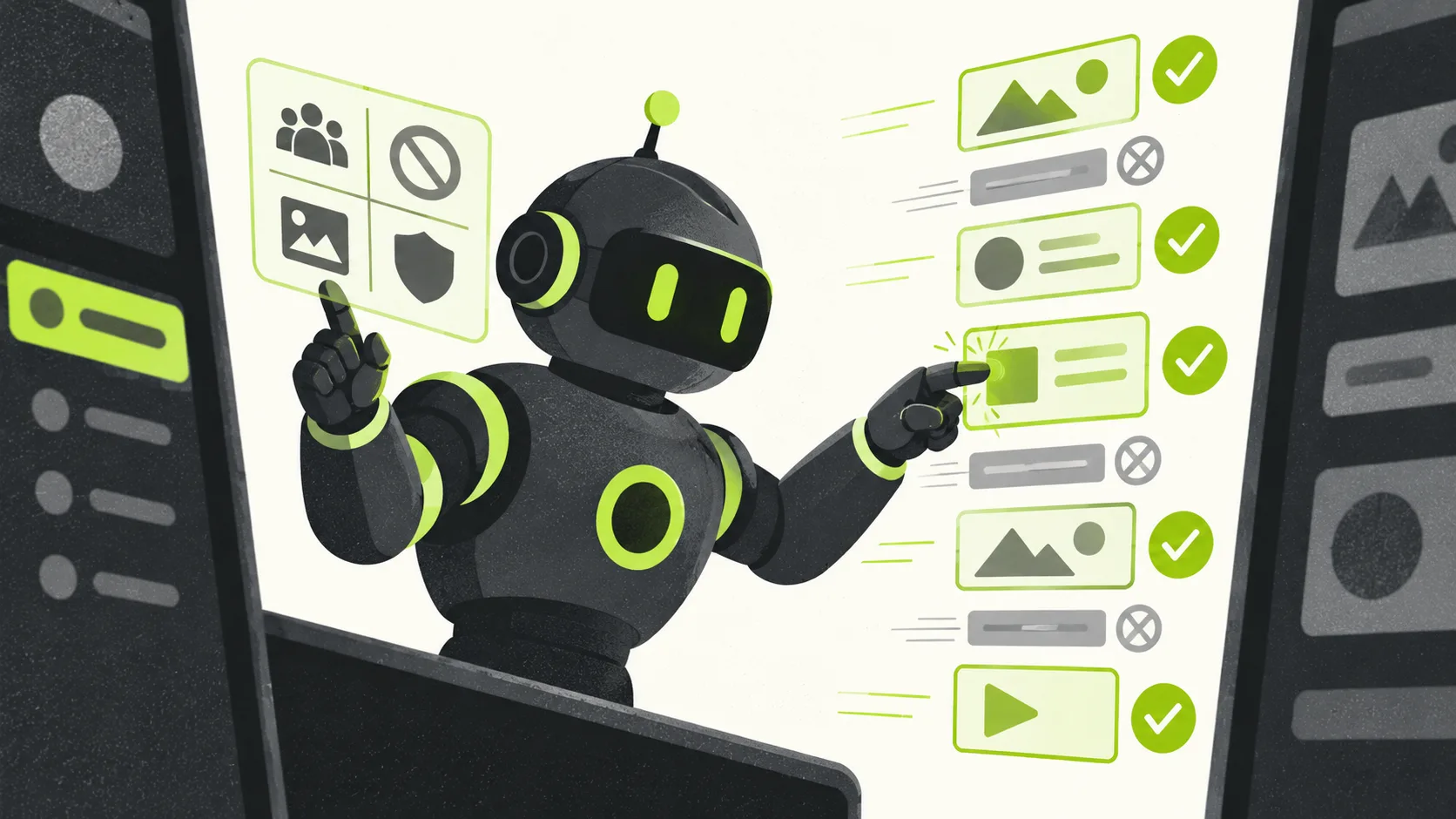
AMP gives every agent the data context needed to remain useful. It also sets limitations to maintain safety within the platform confines. This structure includes an administrator-assigned identity that defines authority and scope. Head of AI Product Jamil Valliani described the setup as a multiplayer game where humans and agents work together in a dynamic space with many participants.
Agents cannot run rampant within the system. Valliani noted an internal Atlassian statement that headless software means brainless software. The company believes autonomy is useful, but it lacks value without teamwork. Rovo, the company AI assistant that grew into an autonomous powerhouse, can operate independently for hours. However, users set the objective, review the proposed plan, course-correct, and evaluate the final result.
Rovo Work handles complex multi-step tasks
Atlassian introduced Rovo Work as a new mode for Rovo Chat. It handles complex, multi-step tasks that humans review and approve, and it is designed for long-horizon jobs. Valliani explained that sending a query to Rovo Work gives the assistant permission to unleash itself fully.
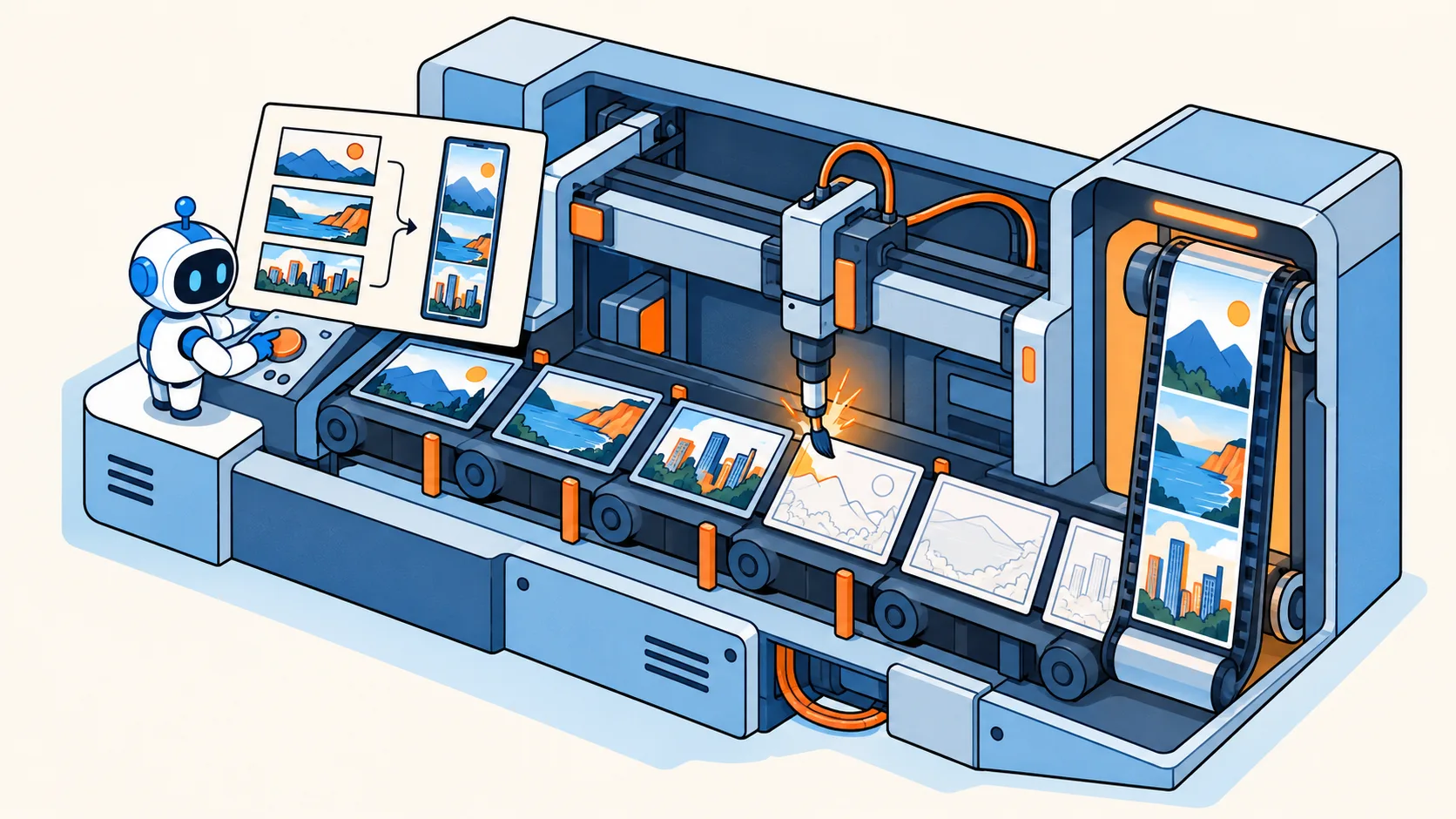
Rovo can also attempt to train itself when it encounters an unfamiliar task outside its model training data. Valliani cited an example where a product manager asked Work for an Instagram-ready reel. Instead of relying solely on its base model, Rovo researched instructions, learned the required output format, and acquired tooling for video synthesis.
For power users, Rovo can generate custom skills as part of its work. This capability is separately supported rather than exporting every learned behavior. Valliani stated that the company wants customers to challenge the system and express what they truly want.
 Read nextSAP Expands Joule AI Assistant Into Agentic Work Layer for Enterprise
Loom allows users to instruct agents visually
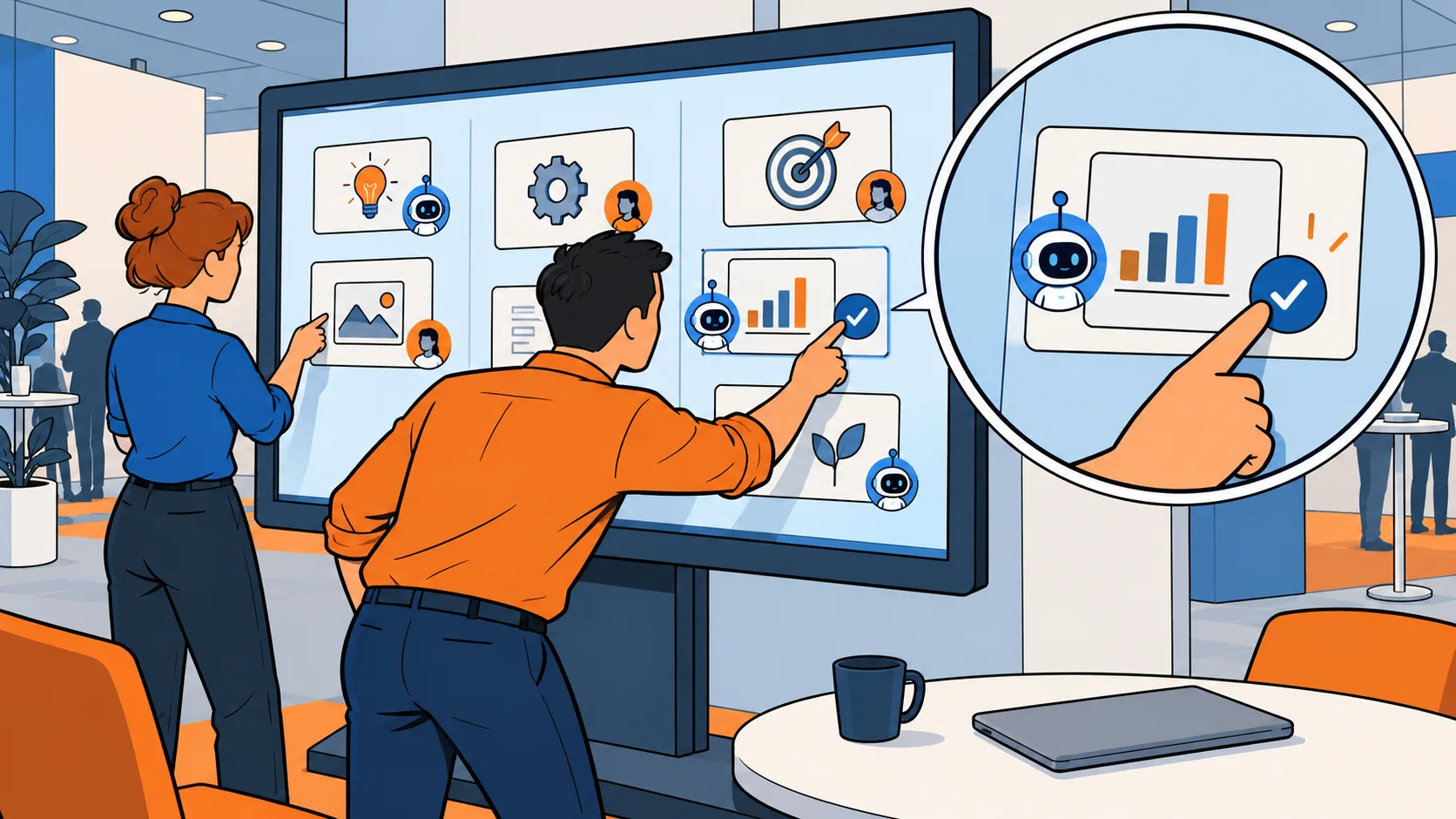
Atlassian is also bringing visual instruction to everyday users. Loom allows users to record video of themselves and their computer screen to share instructions. This product can instruct agents by letting users draw circles around user interface parts, show clicked buttons, and display information entered into fields.
Valliani noted that humans sometimes struggle to explain desired outcomes in words alone. Providing a visual point along with spoken direction makes the process trivial. Loom captures the user speaking alongside the on-screen references and formats the interaction into a prompt.
For developers, Atlassian expanded the context and operating environment for AI agents. Rovo Code Search brings source code into the Teamwork Graph, a centralized data intelligence and context engine mapping relationships among people, code, and documents. Data Context extends that view into structured information stored in platforms such as Databricks, Snowflake, and Google BigQuery. These tools give agents a wider picture of software creation and the business reasons behind it.
The expanded Model Context Protocol server gives external coding and AI agents a common interface into the platform. Valliani stated that a substantial portion of these interactions involve agents writing information back rather than just retrieving it. MCP turns Atlassian into a shared workspace where agents leave work for humans and other agents to pick up. The Atlassian MCP server currently exposes 200 tools and handles roughly 15 million tool calls daily.